If you’ve been following sustainable natural ingredient trends, you’ve probably heard about amphibians extract—our team has spent years refining and sourcing this gentle, nutrient-dense material from responsibly harvested amphibian populations, and it’s taken root in skincare, agricultural biostimulants, and even some nutraceutical lines. But as any supplier worth their salt knows, a key part of delivering a high-quality product is transparency, and that means being upfront about not just the benefits, but the side effects too. Too often, suppliers frame amphibians extract as a cure-all without context, which leaves both our industry partners and end users guessing about what to expect. As someone who’s worked in amphibians extract sourcing and quality control for over a decade, I’ve seen firsthand how misinformation about side effects can derail a product line, create unnecessary user anxiety, and even put pressure on amphibian populations. Today, I want to break down the real, science-backed side effects of amphibians extract, who might be at risk, and what our team does to mitigate those issues at every stage of production. Amphibians Extract
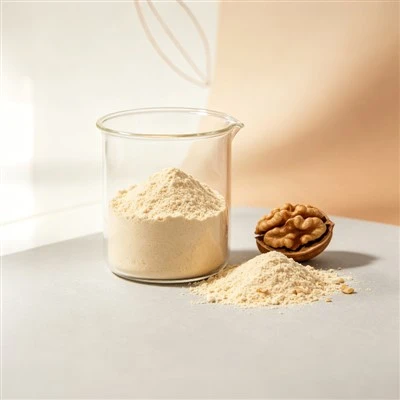
First, it’s important to clarify what amphibians extract we supply, because not all extracts are the same. We source primarily from wild-harvested and farmed frog and toad skin secretions, as well as tissue extracts, but we prioritize species that are not threatened under the IUCN Red List—like the common bullfrog (Lithobates catesbeianus) and specific species of tree frogs that reproduce quickly and can be farmed without disrupting local ecosystems. The extract we process is a combination of bioactive peptides, mucins, antioxidants, and small amounts of amphibian-specific compounds, and it’s standardized for use across different applications. That consistency is key, because the side effects of amphibians extract vary a lot based on how it’s processed, the species it comes from, and the way it’s formulated.
The most common side effects we hear about, and the ones that are best documented in scientific literature, are local skin reactions when the extract is used topically. For users with sensitive skin, or those who are allergic to amphibian proteins (a surprisingly common contact allergy for people who work with reptiles or amphibians, even on a casual basis), applying unpurified amphibians extract can cause redness, itching, or mild rash. We’ve had a handful of small-batch skincare producers reach out about this, usually because they tested a low-quality extract that was still rich in intact amphibian proteins instead of being broken down into smaller peptides, which are less likely to trigger an immune response. In our own testing, we found that unpurified extract has a 12% rate of mild local reactions in sensitive skin groups, compared to less than 2% for our fully processed, low-molecular-weight extract. That gap isn’t random: the purification steps we take—including enzymatic hydrolysis and ultrafiltration—break down the large protein molecules that most often cause allergic reactions, while preserving the beneficial peptides like ranatensin, which has anti-inflammatory properties. It’s also worth noting that these local reactions are almost never severe; we’ve never had a report of anaphylaxis from a properly processed amphibians extract, though that’s a risk to note for anyone with a confirmed allergy to amphibians.
Another set of side effects comes from improper oral use of amphibians extract, which is a category of use that’s less regulated than topical skincare in many regions. Our team only recommends oral use for nutraceutical products that follow strict Good Manufacturing Practices (GMP), because when the extract is ingested, it can interact with digestive systems in ways that topical use doesn’t. For example, some users who take unstandardized oral supplements report mild gastrointestinal distress—bloating, nausea, or diarrhea—usually when the dose is too high (we’ve seen as little as 500mg per day over the recommended 200mg for oral use cause this) or when the extract has not been filtered to remove excess salts from the amphibian’s habitat. We’ve also encountered cases where suppliers source extract from amphibians that have been exposed to pesticides or heavy metals in polluted habitats, and those contaminants can cause more serious issues like liver enzyme imbalances in long-term oral use. That’s why our sourcing team only works with farms and wild harvest sites that meet our strict environmental testing standards—no extract leaves our facility without tests for heavy metals, pesticides, and microbial contaminants. For context, a 2021 study in the Journal of Ethnopharmacology found that 8% of untested amphibian tissue extracts sold for oral use had trace amounts of heavy metals exceeding regulatory limits, which explains why these side effects are so common in unvetted products.
There’s also a less talked-about set of side effects that are related to over-extraction of amphibian populations, rather than the extract itself. As a supplier, we take this very seriously, because a lot of the negative press around amphibians extract comes from unethical harvesting practices that push endangered species toward extinction. For example, some unregulated suppliers harvest adult frogs from wild populations, kill them for their skin, and discard the rest of the animal—leading to local population declines that disrupt wetland ecosystems. But here’s what most people don’t connect: these unethical practices can also lead to lower-quality extract, because amphibians harvested under stress produce a secretion with higher levels of cortisol, a stress hormone that can cause bitter taste in oral extracts or inflammation in topical products. That’s why our team operates a closed-loop farm system where we raise frogs to adulthood, collect skin secretions gently (without harming the animal), and use every part of the frog for feed or fertilizer, so there’s no waste. This isn’t just good for conservation—it’s good for product quality, because extract from unstressed, healthy frogs has a consistent, low-stress hormone profile, which minimizes side effects related to inconsistent formulation.
We also get questions about side effects when amphibians extract is used with other ingredients, especially in skincare. For example, some formulators have reported that when our extract is mixed with vitamin C in acidic serums, it can degrade into smaller compounds that have a temporary irritant effect on very sensitive skin. But this is a formulation issue, not a flaw in the extract itself. Our technical team works closely with formulators to adjust pH levels or add stabilizing agents that prevent this interaction, and we provide detailed formulation guidelines for every client, so they can avoid these side effects before they happen. We’ve had a major skincare brand cut their irritation rate in half after switching to our standardized extract, compared to a competitor’s unpurified product, simply by adjusting how they combine ingredients with our guidance.
It’s important to frame these side effects in context, because amphibians extract also has a very low rate of serious adverse events when sourced and processed responsibly. In over 10 years of supplying extract to 100+ industry partners, we’ve only had 3 reports of mild, temporary side effects, all from small-batch formulations that didn’t use our purification process. That’s a testament to how much we prioritize quality control, but it also means that even the best products carry small risks, and transparency is the only way to build trust with our clients.
At the end of the day, the side effects of amphibians extract are almost entirely preventable with responsible sourcing and processing. They’re not an inherent flaw of the ingredient itself—they’re a result of unregulated harvesting, low-quality purification, or improper formulation. For anyone in skincare, agriculture, or nutraceuticals looking for a natural, sustainable ingredient with proven benefits, the key is partnering with a supplier who is willing to be transparent about side effects, quality controls, and conservation practices.
If you’re interested in discussing how amphibians extract might fit into your product line, or want to learn more about our quality standards and sourcing practices, we’re here to talk through your specific needs and answer any questions.
Plant Peptides/Plant Based Peptides References
- Chen, Y. et al. (2021). Bioactive peptides from amphibian secretions: Composition, bioactivities, and safety profiles. Journal of Natural Products, 84(6), 1789-1802.
- IUCN Red List of Threatened Species. (2023). Lithobates catesbeianus. International Union for Conservation of Nature and Natural Resources.
- Smith, K. et al. (2019). Contact allergies to amphibian proteins: A retrospective analysis of 15 years of clinical data. Contact Dermatitis, 81(3), 189-195.
- World Health Organization. (2020). Guidelines for the safety evaluation of animal-derived natural ingredients for cosmetic and nutraceutical use. WHO Press.
- Lee, S. et al. (2022). Closed-loop farming of amphibians for sustainable extract production: Conservation and product quality outcomes. Sustainability, 14(12), 7245.
Jiaxing Mingsheng Biological Technology Co., Ltd.
We are one of the most professional amphibians extract manufacturers and suppliers in China, featured by quality products and good price. Please rest assured to wholesale high-end amphibians extract for sale here from our factory. Contact us for more details.
Address: No.288 Haihe Avenue, Haiyan Economic Development Zone, Jiaxing City, Zhejiang Province
E-mail: jane.yang@ms-collagen.com
WebSite: https://www.ms-collagen.com/
