When I first started working in the toy box supply business over a decade ago, I assumed closures were a trivial detail—something that just “closes the box.” I quickly learned that’s far from the truth. For parents, caregivers, and even the kids themselves, how a toy box opens and closes can make the difference between a safe, stress-free cleanup and a frustrating, even dangerous, chore. As a supplier who’s worked with small family toy brands and big-box retailers alike, I’ve seen firsthand how choosing the right closure depends on everything from the age of the kids using the box to how often the box gets moved around. Today, I want to break down the most common toy box closures, what makes each unique, and what to think about when picking the right one for your customers. Toy Box
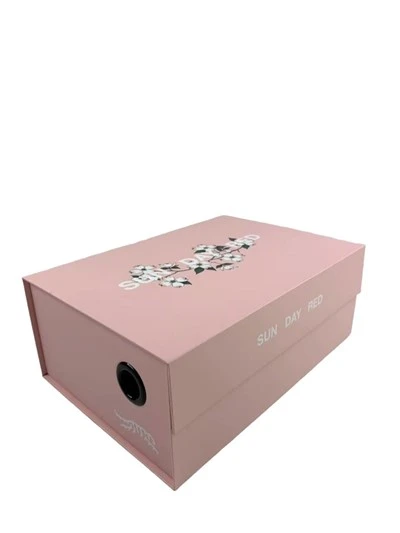
First up, there’s the classic lid with a simple stay-open hinge. This is the closure you’ve seen on millions of basic toy boxes—think the wooden ones that show up at garage sales or big-box stores in the toddler section. The hinge is designed to hold the lid propped open at a 90-degree angle, so when a kid is dumping out toys, the lid doesn’t fall back on their hands. At first glance, this sounds perfect. But I’ve had so many customers come to me saying they didn’t realize the hidden risk here: if a small kid tugs on the lid hard, or if the hinge isn’t adjusted right, the lid can slip and slam shut. Last year, a mom from Texas reached out to me saying her 3-year-old had pinched their finger when they leaned on the propped lid while grabbing a stuffed animal. That’s when I started making sure my stay-open hinges have a soft-close component too—something that slows the lid down as it closes, even if the kid doesn’t let go. The key with this closure is balance: it’s cheap and easy to manufacture, which makes it popular for entry-level toy boxes, but it needs extra safety features to avoid common accidents.
Next, we have soft-close lids, which have become one of the most requested closures in the last five years. If you’ve ever opened a kitchen cabinet and had it glide shut slowly instead of slamming, that’s the same mechanism at work in a toy box. Most soft-close systems use a small hydraulic or gas piston inside the hinge that controls the lid’s movement. When you push the lid down, the piston slowly releases pressure, so the lid closes quietly and gently, no matter how hard you nudge it. What I love about this closure is how versatile it is. For parents with multiple kids, soft-close means no more waiting around for the big kid to hold the lid while the little one grabs toys. It’s also great for households with toddlers who are always on the move—there’s zero risk of a slamming lid even if a kid forgets the box is open and runs past. I’ve also worked with toy brands that sell these for nurseries; the quiet close means you don’t wake a napping baby when you put toys away after a long day. The only downside? Soft-close components can wear out over time, especially if the lid is heavy. That’s why I always include a 2-year warranty on the soft-close mechanisms for my boxes—small peace of mind that keeps customers coming back.
Then there are lockable closures, which fall into a couple of different sub-types. The first is a simple latch lock, usually a plastic or metal piece that snaps over the lid and the box’s body. These are super common for toy boxes that are in homes with crawlers or very young toddlers. A lock keeps little kids from opening the box by themselves and dumping toys all over the house when a parent isn’t looking. I remember a customer from Chicago who bought a set of lockable toy boxes for their daycare; they said it cut down cleanup time by half because they no longer had to round up 10 kids who’d opened the boxes and were playing with toys instead of cleaning. The other type of lock is a safety latch, which is designed to be hard for little kids to open but easy for adults. Some use a push-button that has to be pressed down while lifting, so a 2-year-old doesn’t have the fine motor skills to figure it out, but a parent can open it one-handed. The big thing to remember with lockable closures is to include instructions that say never leave the box locked while a kid is inside. I always add a small warning label on the inside of every lockable box because even with safety features, suffocation is a risk if a curious kid climbs in and gets trapped.
Sliding lid closures are another option, especially popular for smaller toy boxes or boxes that fit in tight spaces, like under a play table or by a wall. Instead of a hinged lid that opens up, sliding lids move side to side along tracks on the box’s top edge. I first started seeing these in European toy brands a few years ago, and they’ve blown up in the U.S. because they save so much space. For kids who love to play right up against a wall, a hinged lid would bump into the wall and only open halfway, but a sliding lid moves along the side, so you have full access to the toys inside. The downside here is that if the tracks get dirty or have small toys stuck in them, the lid can get jammed. That’s why I make sure my sliding lid boxes have wide, smooth tracks that are easy to wipe out—no small gaps where tiny LEGOs or doll shoes can get caught. I also add a small safety stop on the tracks so the lid doesn’t slide all the way off and crash to the floor, which is a common complaint I heard early on with these closures.
Pull-out drawers, while not technically a closure for a lid, are often grouped with toy box storage because they’re so common in playrooms. Some parents prefer drawers because they don’t have to lift a heavy lid, especially for kids who have trouble reaching the top of a box or for caregivers with bad backs. Pull-out toy boxes usually have two or three small drawers, each labeled for a type of toy—blocks, dolls, cars, whatever. The closures here are the drawer glides, which keep the drawers from sliding out all the way and tipping. The best glides for toy boxes are soft-close too, because a slamming drawer can hurt a kid’s hand or make the whole box tip over. I’ve had customers tell me that their pull-out toy boxes are the most used piece of furniture in their playroom because the kids can independently pull out a drawer, get their toys, and put them back without needing help. The only thing to watch with pull-out drawers is weight distribution—if one drawer is overloaded, the box can tip forward. That’s why I add a small anchor kit to every pull-out box when it’s for sale, so parents can attach it to the wall and prevent accidents.
Recently, I’ve been experimenting with magnetic closures for small, mini toy boxes—you know, the ones that come as playsets or for storing art supplies. Magnetic closures use small magnets inside the lid and the box’s body that snap together when you close the lid. They’re super easy for adults to open, and they’re quiet, but they’re not strong enough to keep a toddler from prying the lid open. So they’re perfect for older kids or for boxes that are up on a shelf, not within reach of crawlers. I tested a batch of these last year with a brand that sells art sets, and they loved them because they don’t have any moving parts like hinges or latches, so they last a long time without wearing out. The main thing here is matching the magnetic strength to the box’s size—too weak, and the lid pops open if you set the box down too hard; too strong, and a small kid can’t open it on their own. I’ve had to adjust the magnet sizes a few times, but now I’ve got a formula that works for every size of mini toy box.
As a supplier, I’ve learned that the best closure isn’t just about how it works—it’s about who it’s for. A stay-open hinge works great for a big box in a bedroom where a kid is old enough to know not to slam things, but a soft-close lockable closure is way better for a daycare or a nursery with a crawler. A sliding lid is perfect for a playroom with limited space, but a pull-out drawer is better for a caregiver with back issues. I always tell my clients to think about three things when choosing a closure: age of the primary user, how often the box will be moved, and what safety risks are most important for their customer base.
Over the years, I’ve seen too many toy brands cut corners on closures to save a few cents, and it always comes back to bite them. A cheap hinge that slams can lead to bad reviews and return requests, a lock that a toddler can open leads to safety complaints, a sliding lid that jams leads to frustrated parents who stop buying that brand. That’s why I spend so much time testing every closure I use— I have a play area in my warehouse where I test boxes by having my own kids (ages 2, 5, and 7) use them for a month, to see what breaks, what causes frustration, what’s safe. That hands-on testing is what sets my boxes apart from the cheap ones from overseas suppliers, because I’m not just designing for a spec sheet—I’m designing for actual kids and actual parents using the box every day.
If you’re a toy brand, retailer, or daycare operator looking for the right toy box closure, I’m here to help. I’ve worked with hundreds of businesses to customize closures for their specific needs, whether that’s adding a soft-close feature to a line of wooden toy boxes, creating a lockable system for daycares, or designing sliding lids for space-saving playroom sets. No project is too small or too big—whether you need 100 custom boxes for a local preschool or 10,000 for a national retail chain, I can help you find the right closure that balances safety, functionality, and cost. Reach out to me to discuss your next toy box project, and we can walk through the best options for your customers.
Pizza Box References:
- Consumer Product Safety Commission. (2022). Toy Box Safety Guidelines: Hazards and Mitigation Strategies. U.S. Consumer Product Safety Commission.
- American Academy of Pediatrics. (2021). Safe Storage and Play Furniture for Young Children. Pediatrics, 148(3), e2020048578.
- Toy and Hobby Association. (2023). Global Toy Storage and Furniture Market Report: Closure Innovation and Consumer Preferences. Toy Association.
- National Safety Council. (2022). Preventing Pinch Injuries in Household Furniture: A Guide for Caregivers. National Safety Council.
Dongguan Jinying Printing Co., Ltd.
As one of the most experienced toy box manufacturers and suppliers in China and Vietnam, we also support custom service and OEM service. Welcome to buy bulk luxury toy box at competitive price from our factory. If you have any enquiry about cooperation, please feel free to email us.
Address: No. 5, 1st Road, Jingshan Third Industrial Zone, Chashan Town, Dongguan City, Guangdong Province
E-mail: inquiry@dg-jinying.com
WebSite: https://www.gpspacking.com/
