If you’ve ever walked into an old school hallway with creaky wooden doors, chipped paint, and hinges that squeak so loud they make the whole room vibrate, you know the headache schools deal with on a daily basis. As someone who’s been selling WPC doors for the last 8 years, I get asked this question all the time: Can WPC doors even hold up in a school? Let’s cut the jargon and get real here—because this isn’t just some random “is it trendy?” question. It’s a “will this door survive 10 years of middle schoolers slamming it, locker slams, humidity after PE class, and maybe even a minor spill from the science lab?” kind of question. WPC Door

First, let’s break down what WPC actually is, because I’ve had way too many school admins ask me, “Wait, is that just fancy plastic? Will it melt if the radiators go out?” Nope. WPC stands for Wood-Plastic Composite, and it’s exactly what it sounds like: a mix of real wood fibers (not sawdust filler, for the record) and recycled plastic that’s heat-compressed to make a solid, durable material. We don’t use cheap stuff—our WPC doors have a core that’s dense enough that a kid swinging a backpack into it won’t leave a dent, and the outer layer is a high-pressure laminate that doesn’t scuff easily. I’ve seen a classroom door at a local elementary school that’s been in use for 6 years, and the only “damage” is a tiny sticker residue from a student’s art project that peeled right off with a little rubbing alcohol. Compare that to a solid wood door we sold to a high school 5 years ago—they had to replace it after 3 years because the humidity in the locker rooms warped the edges, and the slamming made the wood split at the hinges. That’s the kind of real-world stuff I talk about with schools.
Now, let’s get to the big concerns schools have when considering new doors: safety, cost, maintenance, and compliance. Let’s start with safety, because that’s non-negotiable for any public space, especially schools. First, fire resistance—our WPC doors meet NFPA 285 standards, which is the big one for exterior wall assemblies, but also applies to interior doors in schools. Wait, let me explain that simply: that means if there’s a small fire in a classroom, the door won’t catch fire quickly, it won’t give off toxic fumes (we test for that, no weird chemical smells), and it’ll contain the fire long enough for the fire department to get there. Most solid wood doors don’t have that rating unless they’re treated with fire retardant, which can fade over time, especially with sunlight through classroom windows. WPC doesn’t need extra treatment because the plastic component has natural fire-resistant properties. Also, we make sure every door has a solid core that’s impact-resistant—no hollow spots where a door could break if someone runs into it. A few years back, a middle school in our area had a student who ran into a door during a fire drill; the WPC door didn’t crack, no one got hurt, and it was just fine after wiping down the smudge. That’s the kind of win I brag about, because it’s not about selling a door—it’s about keeping kids safe.
Next, cost, because schools have tight budgets, everyone knows that. When admins ask me, “WPC is more expensive upfront, right?” I tell them, “Wait a second—let’s do the math, not the sticker shock.” Solid wood doors are cheap at first, but over 10 years, you’re looking at repairs: warping, splitting, repainting every 2-3 years, replacing hinges that wear out because of the wood’s density. MDF doors (another common option) get water damage if a water fountain leaks or a kid spills juice, and they swell so bad you can’t close them. WPC doors? They don’t warp, they don’t swell, the laminate doesn’t peel, and they don’t need repainting. We have schools that installed WPC doors in 2018, and they haven’t spent a dime on maintenance since. I’ve had one school tell me their annual door maintenance budget dropped by 75% after switching to WPC. That’s real money that can go to textbooks, sports programs, or tech—things that actually matter for students. Also, installation is faster with WPC doors because they’re lighter than solid wood, so the school doesn’t have to pay for extra labor hours. That’s another quick win.
Now, maintenance—let’s be honest, schools don’t have a staff of handymen waiting to fix doors. The most common question I get here is: “Can I just wipe these down? No special cleaners?” Yes. The laminate on our WPC doors is non-porous, so you can use regular school disinfectant wipes, no harsh chemicals needed. It doesn’t absorb stains, so if a student spills juice, coffee, or even a little water from the art room, you just wipe it up and move on. No scrubbing, no sanding, no repainting. We had a kindergarten teacher call me last year panicking because a kid spilled glue all over her classroom door. She thought she’d have to wait for maintenance to sand and repaint, but she just used a damp cloth and the glue came right off. That’s the stuff that makes school staff’s lives easier—no extra work on top of grading papers or planning lessons. Also, the doors resist mildew and mold, which is a huge deal in places like gyms or locker rooms where humidity is high. Mold isn’t just gross, it’s a health hazard for students and staff, so that’s another safety point we don’t skip.
Wait, but what about looks? Schools want doors that look professional, right? I get it—you don’t want a door that looks like it belongs in a basement. Our WPC doors come in all kinds of styles: solid colors (navy, gray, white, even wood-grain finishes if a school wants that traditional look), different panel designs, and we can customize them with school logos or room numbers if you want. A high school in Ohio did that last year—they put their mascot on the front entrance doors, and it’s held up way better than if they’d painted it on wood. No chipping, no fading, even after being in the sun all day. That’s a nice touch without the hassle. Also, we make sure the doors fit standard hardware, so you don’t have to replace all your doorknobs or hinges if you switch—just take out the old door, put in the new WPC one, and use your existing parts. That saves more money, which is always a plus for schools.
Now, let’s talk about some of the myths I hear all the time, because that’s where people get stuck. First myth: “WPC is not eco-friendly.” Wait, our WPC doors are made with 60% recycled plastic—think milk jugs, water bottles, grocery bags—that would otherwise end up in landfills. The wood fibers are also from sustainably harvested pine forests, so we’re not cutting down old-growth trees. Compare that to solid wood doors, which are often from virgin timber, or MDF doors, which are made from compressed wood fibers that require a lot of chemicals to process. A few schools even like that they’re using a product that’s good for the planet, which is a nice lesson for students too—talking about sustainable building materials in science class is a win-win.
Second myth: “WPC doors are heavy, so they’ll be hard for kids to open.” No, we engineer the core of our doors to be dense but light enough that standard doorknobs work, and the hinges don’t strain. We also make sure they’re balanced, so they don’t slam shut on their own or require a lot of force to open. I’ve seen 7-year-olds open our WPC doors at elementary schools without any trouble, so that’s not a problem. Another myth: “They’ll sound cheap, like plastic when you knock on them.” If you knock on a solid wood door, it has that solid thud, and our WPC doors sound the same. The dense core and high-pressure laminate give it that same weight and feel, so no one will ever guess it’s not solid wood. That’s a big one for admins who care about the overall look and feel of the school.
Wait, let’s not forget about high-traffic areas. Schools have hallways that get hundreds of kids a day, doors that are slammed multiple times a period. Our WPC doors are tested to withstand over 100,000 opening and closing cycles—way more than the average solid wood door. We had a middle school with a back entrance that’s used every day by students walking home, and they told us last year that the doors are still just as sturdy as the day we installed them. No cracks, no loose hinges, no warping. That’s the kind of durability you need in a school—something that doesn’t need constant replacement or repair.
I also want to mention accessibility, because schools are required to follow ADA guidelines, right? Our WPC doors are compliant with all ADA standards—they have the right thickness, the right weight, and we can make them with automatic door opener prep if a school needs that for students with disabilities. We don’t cut corners on that, because we know schools have to meet those rules, no exceptions.
Now, let’s be real—no door is perfect. What’s the catch with WPC doors? The only one I can think of is that if you use a really sharp object to scratch them, you might damage the laminate, but that’s true for almost any door, including solid wood. And if you try to cut the laminate yourself (like if you make a mistake with a custom cut), it can peel, but we offer custom sizing and cutting for free when you order, so you don’t have to worry about that. We also give a 10-year warranty on all our WPC doors, which is way longer than the 1-3 year warranties you get on solid wood or MDF doors. That’s peace of mind for school admins—if something goes wrong, we fix it, no hassle.
Here’s the thing: I’ve been in this industry long enough to see a lot of products come and go. WPC doors aren’t a fad. They’re built for high-traffic, high-stakes spaces like schools. I’ve walked through more schools in the last 5 years than I can count, and almost every single one that switched to WPC doors has told me they wish they’d done it sooner. The admins don’t have to stress about maintenance, the staff doesn’t have to clean and repair doors on the side, the students get doors that are safe and durable, and the budget stays on track.
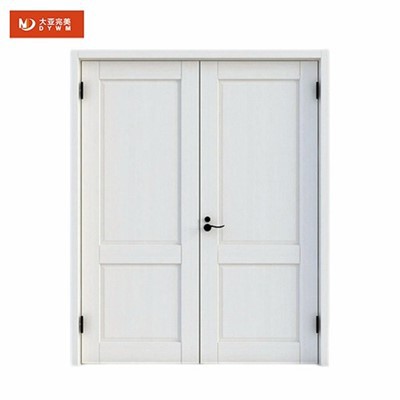
If you’re a school administrator, facilities manager, or anyone who’s tired of dealing with creaky, warped, or easily damaged doors, let’s talk. I can send over samples, show you case studies of schools in your area, and walk you through exactly how WPC doors can fit your budget and your needs. I don’t do hard sells—I work with schools to find the best solution, because I know how tight things can be. The last thing I want is for a school to waste money on a door that doesn’t work, just because someone said it’s a “good deal” upfront.
PVC Door References:
- National Fire Protection Association. (2021). NFPA 285: Standard Fire Test Method for Evaluation of Fire Propagation Characteristics of Exterior Non-Load-Bearing Wall Assemblies Containing Combustible Components.
- American Wood Council. (2022). Wood-Plastic Composites for Building Applications: Durability and Performance in High-Traffic Environments.
- U.S. Access Board. (2023). ADA Accessibility Standards for Doorways and Accessible Routes.
- National Institute of Building Sciences. (2021). Whole Building Design Guide: Sustainable Building Materials for K-12 Schools.
- International Code Council. (2022). International Building Code Requirements for Interior Doors in Educational Facilities.
One May Dee Show Furniture Co., Ltd.
As one of the most professional wpc door manufacturers and suppliers in China, we’re featured by quality products and good price. Please rest assured to wholesale cheap wpc door made in China here and get quotation from our factory. Customized orders are welcome.
Address: Laomiao Village, Dacheng Town, Sanyuan County, Xianyang City, Shaanxi Province, China.
E-mail: trade@omdoor.com
WebSite: https://www.omdoor.com/
