Hey there! Let’s cut to the chase—if you’re a beach bar owner, a coastal vacation rental manager, or even someone who just loves hanging out on their oceanfront deck, you’ve probably stared at that sweltering, salty air and thought: “Can I even use an outdoor fan here, or will it just rust and die by summer’s end?” As an outdoor fan supplier who’s been deep in this space for over 8 years, I get the question all the time. And yeah, it’s a valid one—beaches aren’t your average backyard. The salt air, constant humidity, sand blowing everywhere… that stuff will eat through regular gear faster than a seagull at a taco stand. But here’s the thing: outdoor fans absolutely work in beachside settings—if you pick the right one and install it smartly. Let’s break this down like we’re talking over a post-surf cold one, no jargon allowed. Outdoor Fan
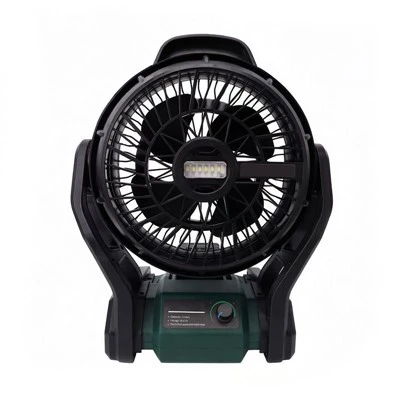
First, let’s get real about why beaches are tough on outdoor gear, not just fans. I’ve seen cheap patio umbrellas fray in 2 weeks from salt, plastic lawn chairs turn brittle by June, and metal grills look like they’ve been sitting in a tide pool for a month after one beach season. Salt air is a corrosive little devil—when it mixes with moisture (which is basically 90% of what beach air is), it creates salt crystals that can scratch, pit, and eat through metal parts over time. Sand is another nightmare: it’s coarse, gets into every crevice, and acts like sandpaper when parts move (like fan blades spinning) or when you wipe it off. Humidity too—high moisture levels can cause electrical components to short out if they’re not sealed right. So that “regular outdoor fan” you bought for your suburban backyard? It’s not going to last at the beach. But that doesn’t mean you can’t get one that does.
Now, the non-negotiable features for a beach-ready outdoor fan. Let’s start with materials—this is make or break. I’m talking about marine-grade aluminum first, not regular aluminum. Marine-grade is alloyed with elements like magnesium and silicon to fight corrosion, way more than the thin aluminum cheap fans use. We had a customer a few years back who installed a regular aluminum fan on his pier in Daytona Beach; by the end of the first summer, the blades were pitted so bad they wobbled. Swapped it for our marine-grade aluminum model 5 years ago, and it still looks almost new—only needs a quick wipe with a damp cloth (no harsh chemicals!) every few months. Next, 316 stainless steel parts, not 304. 316 is the fancy one with molybdenum added, specifically made for saltwater environments. 304 will rust at the base if you’re within 500 feet of the ocean—trust me, I’ve seen it. Even the fasteners matter—skip the plain steel screws, go for 316 stainless too. Then there’s the motor. It needs to be sealed, like, totally weather-sealed, not just “outdoor-rated.” We use IP55-rated motors on all our beach-specific fans—what that means in plain English is they’re dust-tight and can handle low-pressure water spray (perfect for beach rain or even splashes from waves or a sprinkler if you’re cleaning nearby). Non-beach fans often have IP44 or lower, which can let salt air and sand get into the motor, gunk it up, and burn out the windings.
Then there’s the actual fan performance, which is super important because the beach’s main vibe is that sticky, still air—plus sometimes ocean breezes are inconsistent. You don’t want a wimpy fan that just moves sand around instead of cooling you down. Beachside models need to have enough airflow to push through that heavy, moist air. We design our beach fans with 18-24 inch blades (bigger than your typical backyard 12 inch desk fan) that spin at a moderate speed—too fast and you’ll just get a face full of sand, too slow and it doesn’t cool you. We also add a slight pitch to the blades, engineered specifically to move dense, humid air without kicking up a sandstorm. I test these myself every time I visit a beach client—last month I was in Cape Cod for a resort install, and even on days when the ocean breeze died down completely, the fans kept patrons from wiping sweat off their foreheads every 10 minutes. Oh, and don’t forget the finish—powder-coated, not painted. Powder coating is a thick, durable finish that bonds to the metal, resists chipping from sand and corrosion way better than regular paint. We offer a flat, light gray or white finish for beach settings too—light colors reflect sun instead of absorbing it, so the fan itself doesn’t get scorching hot to touch (a bonus for anyone who leans on it mid-conversation).
Now, installation and maintenance—you can have the best beach fan in the world, but if you install it wrong, it’s doomed. First, mount height and location. We always tell beach clients to mount fans at least 9 feet above the ground (10 feet is even better). This keeps them away from flying sand and way out of reach of anyone who might lean too far over a patio edge (safety first, right? OSHA even recommends that for outdoor equipment in public areas). Also, don’t mount them right on the edge of a deck or pier where waves can splash directly on them—put them a few feet back, so they get the cross breeze but are protected from direct saltwater spray. For that matter, avoid installing them near areas where you’d be hosing down the patio regularly—water with detergent can break down the seal on the motor over time. Then maintenance, which is way simpler than you’d think, even at the beach. No need for fancy cleaning products—just a soft brush or damp cloth to wipe off sand and salt every 2-4 weeks, depending on how close you are to the ocean (closer = more frequent). Every season, take 5 minutes to check the blade screws and make sure they’re tight—salt can make parts shift a tiny bit, and you don’t want a blade coming loose. And yeah, if you live in a place with harsh winters (like Massachusetts or Maine), you can take the fans indoors for the off-season—just store them in a dry place, wipe them down first so salt doesn’t corrode them while they’re sitting. I once had a customer in Maine who left his beach fan up all winter, and even though it was under a covered patio, salt air still got to the base—took him a whole hour to sand and re-coat it in spring, way more work than bringing it in for 10 minutes.
Wait, but what about use cases? Let’s get specific, because not every beach setup is the same. If you’re a small beach bar in Mexico (I’ve got a buddy who owns one in Tulum, swears by our 20 inch wall-mounted models for his patio seating)—those work because they’re wall-mounted, so they’re out of the way of bar stools and food service. For oceanfront vacation rentals, we recommend our pedestal or stand-up beach fans for patios—easy to move if you rearrange lounge chairs, and you can wheel them under cover during storm season. For large resorts or coastal event spaces, we do ceiling-mounted fans, specifically designed to handle high-volume foot traffic and salt air—they’ve got that same marine-grade build, and some even have added misting capabilities if you want to amp up the cooling (but even without misting, they’re solid). A lot of people think fans at the beach are pointless because of the ocean breeze, but honestly, ocean breezes are super inconsistent—they can be non-existent at high noon when the sun is blazing, and then pick up and die down every hour. A good beach fan is a reliable backup that keeps cool air moving no matter what the ocean’s doing.
I get it, there’s still that little voice in the back of your head going “but salt is so corrosive, what if I make a mistake?” Here’s the honest truth: we’ve been selling beach-specific outdoor fans for almost a decade, and less than 2% of our beach clients have had any major issues beyond regular wear and tear. We had one customer in Galveston who tried a cheap fan from a big box store for $80, lasted 3 months. Switched to our marine-grade model 7 years ago, and he’s had zero repairs, just the biweekly wipe down. The difference is in the engineering—we don’t just slap a “beach-ready” sticker on a regular fan; we test every unit in a salt spray chamber for 1,000+ hours to make sure it can handle the same salt air as standing 10 feet from the Atlantic. It’s not just marketing—it’s actual testing.
Now, let’s talk about some common myths I hear all the time. Myth 1: “Outdoor fans at the beach cause more sand to blow around.” No, that’s only if you have a tiny, wimpy fan with fast-spinning blades. Our fans spin at a slower, more steady RPM (around 500 RPM for our larger models) which moves air without lifting sand particles off the ground. I’ve stood right next to one on a sandy beach, and my towel didn’t get more than a dusting, not a full layer. Myth 2: “You need a special beach electricity setup.” Nope—just regular GFCI outlets, same as any other outdoor space. Our fans are designed to work with standard 120V or 240V circuits, so you don’t have to rewire anything. Just make sure the outlets are covered with weatherproof boxes, which you should do for any outdoor electrical stuff anyway. Myth 3: “They’re way too expensive for a small beach business.” Yeah, beach-specific fans are more than that $50 Amazon special—but they last 10 years, not 1. That adds up. For example, a small beach bar that buys 4 fans would spend a bit more upfront, but they won’t be replacing them every summer, so it’s actually cheaper in the long run. Plus, happy patrons spend more—when people aren’t sweltering, they’ll stay longer and buy more drinks, that’s a fact we’ve heard from dozens of our bar clients.
Wait, another thing I should mention: safety. Beachside areas often have high wind speeds, especially during storm season or tropical weather. We design our beach fans with a low center of gravity for pedestal models, so they don’t tip over in heavy winds. For ceiling models, we use heavy-duty mounting brackets that are rated for coastal winds up to 100 MPH—way more than the average hurricane. That’s non-negotiable; you don’t want a fan crashing into a crowd during a windy day. I always tell clients to take down pedestal fans during tropical storms, but the ceiling ones? They’re built to handle that kind of wind, no problem.
Let me wrap this up without being too salesy (but c’mon, I’m a supplier, so the point is to help you get the right fan). The short answer is yes, outdoor fans are not only usable at the beach—they’re game-changing for anyone who spends time there, whether it’s a business owner looking to boost patron comfort or a homeowner wanting to enjoy their oceanfront deck without sweating through their swimsuit. The key is picking a fan that’s actually designed for beach conditions, not just labeled as “outdoor.” Marine-grade aluminum, 316 stainless steel parts, sealed motors, powder coating, and blades engineered for humid, sandy air—those are the must-haves. Install it at the right height, keep up with super simple maintenance, and it’ll last you way longer than those cheap big-box options.
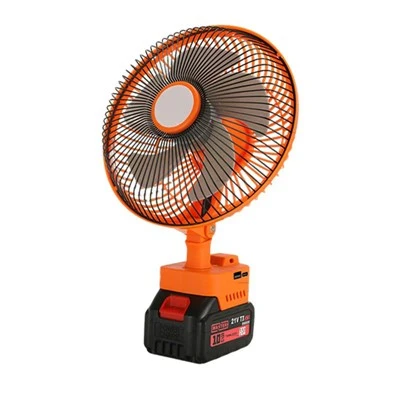
If you’re ready to pick the right beach outdoor fan for your space, or have more questions about materials, installation, or how they work in specific beach settings, hit us up to connect for a purchasing conversation. We’ve worked with beach bars, resorts, vacation rentals, and private homeowners all along the coasts, so we can help you find something that fits your needs and budget, no guesswork involved.
Indoor Fan References
- ASHRAE. (2021). Corrosion Resistance of Materials for Coastal Outdoor Applications. American Society of Heating, Refrigerating and Air-Conditioning Engineers.
- National Oceanic and Atmospheric Administration (NOAA). (2022). Coastal Environmental Conditions and Outdoor Gear Durability. U.S. Department of Commerce.
- International Electrotechnical Commission (IEC). (2020). Ratings for Enclosure Protection of Electrical Equipment (IP Code Standard 60529). International Electrotechnical Commission.
Yongkang Agudo Industry & Trade Co., Ltd.
As one of the most professional outdoor fan manufacturers in China, we’re featured by high quality customized products. Welcome to wholesale bulk advanced outdoor fan in stock here from our factory. If you have any enquiry about pricelist and free sample, please feel free to email us.
Address: 2nd Floor, Unit 2, Building 5, No. 46 Xicheng Huacheng West Road, Xicheng Subdistrict, Yongkang City, Zhejiang Province
E-mail: 15888900905@163.com
WebSite: https://www.cnagudo.com/
