If you’ve ever walked through a ceramic manufacturing facility, you’re immediately struck by the rhythmic hum of machinery and the intense, controlled heat that shapes raw clay into plates, tiles, or custom pottery. Few pieces of equipment are as critical to that process as the ceramic tunnel kiln, a long, continuous oven that moves green ware (unfired ceramic pieces) through carefully staged temperature zones to turn soft clay into strong, durable finished products. And hidden just as often as they’re visible inside the kiln’s insulated walls, thermocouples are the unsung heroes keeping every part of that process accurate, efficient, and safe. As someone who’s spent 18 years designing, building, and maintaining ceramic tunnel kilns for clients around the world, I can’t stress enough how much the success of a firing cycle hinges on these unassuming temperature sensors. Ceramic Tunnel Kiln
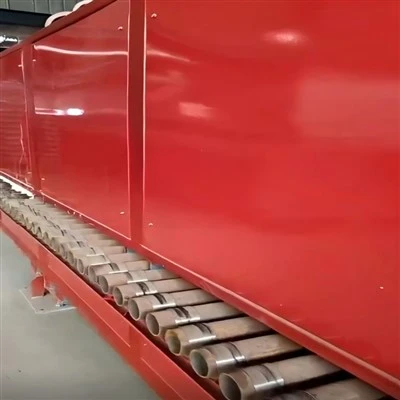
Let’s start with the basics: what a thermocouple actually does in a tunnel kiln, and why it’s not the kind of piece you can overlook. A thermocouple is a simple device made from two different metal wires joined at one end; when that joined end is exposed to heat, it produces a tiny, consistent voltage that corresponds directly to temperature. Unlike other temperature sensors that might degrade or give inconsistent readings under the extreme, fluctuating conditions inside a tunnel kiln, thermocouples are built to resist thermal shock, corrosion from kiln gases, and the wide temperature swings that come with preheating, firing, and cooling zones. That durability is non-negotiable in a tunnel kiln, which operates 24 hours a day, 7 days a week for months at a time without a full shutdown, usually.
A typical tunnel kiln is divided into four distinct zones, each with a very specific job, and thermocouples are placed in every single one of them to keep operations on track. The first zone is the preheating zone, where green ware is slowly warmed from room temperature to around 600°C. This step is critical to prevent defects like cracking or warping: raw clay contains moisture, organic binders, and trapped air that need to evaporate and burn off gradually, not suddenly. A thermocouple installed along the ceiling and side walls of this zone monitors temperature every few seconds, adjusting the flow of exhaust gases and preheated air to ensure the temperature rises at a rate of no more than 100°C per hour for delicate pieces, like thin porcelain tiles, and up to 150°C per hour for denser items like heavy floor tiles. Too fast, and a tile might develop a hairline crack that doesn’t show up until it’s already installed in a customer’s kitchen; too slow, and you’re wasting energy on unnecessary hold time.
Next is the firing zone, the heart of the kiln where the magic happens. Here, temperatures peak between 1,200°C and 1,450°C, depending on the type of ceramic being fired. Porcelain requires a higher temperature than earthenware, for example, because it needs to vitrify—melt slightly on a molecular level to create a non-porous, dense surface. This zone has dozens of thermocouples, not just a few, because temperature uniformity is make-or-break. If one section of the firing zone is 50°C cooler than another, tiles moving through that spot will fire unevenly: some will be too soft and prone to chipping, others will be over-fired and discolored. In my time as a kiln supplier, I’ve seen more kiln operators cut corners by installing only a handful of high-temperature thermocouples, only to end up with 15% of a batch defective, which adds up to thousands of dollars in lost material and labor. That’s why we design our kilns with thermocouple arrays spaced every 3 feet along the kiln length, and every 2 feet across the width, to give operators a full, real-time picture of temperature across every square inch of the firing zone.
Then comes the cooling zone, where finished ware is slowly brought down to room temperature. This step might seem less complicated than preheating or firing, but it’s equally reliant on thermocouples. Cool too fast, and the rapid temperature drop causes thermal stress that leads to cracking, especially for large ceramic pieces like bathroom vanities or wall panels. Thermocouples in the cooling zone monitor the temperature of both the air inside the kiln and the surface of the moving ware, adjusting the speed of cooling fans and the flow of ambient air to ensure a consistent, gradual cool-down. For example, a 3-foot-wide ceramic countertop needs to cool at a rate of 80°C per hour, whereas a small coffee mug can cool at 120°C per hour, and the thermocouples make sure those rates stay within the safe range.
Beyond just monitoring temperature, thermocouples are integral to the kiln’s automation and safety systems. Modern ceramic tunnel kilns are controlled by programmable logic controllers (PLCs) that use data from thermocouples to adjust gas burners, air flow, and kiln speed automatically. If a thermocouple detects that the firing zone is running 100°C above the set point, the PLC will shut off a section of burners to prevent over-firing, which would waste fuel and damage ware. If it detects a drop in temperature that’s not explained by normal process changes, it can alert operators to a faulty burner or a leak in the kiln’s insulation, preventing a costly shutdown. That’s not a nice-to-have—it’s essential for keeping a kiln running efficiently, which is huge for ceramic manufacturers who often run multiple kilns and need to keep energy costs low. We once built a kiln for a tile manufacturer in Mexico that cut their fuel use by 18% simply because of our strategically placed thermocouple network, compared to their old kiln that only had two thermocouples total. That’s the kind of impact the right thermocouples can make.
Of course, not all thermocouples are created equal, and that’s where our expertise as a tunnel kiln supplier comes in. The most common types used in tunnel kilns are Type K, Type S, and Type R, each suited to different temperature ranges and conditions. Type K thermocouples, made of chromel and alumel, are the most versatile, handling temperatures up to 1,260°C, which makes them perfect for preheating and cooling zones, and even lower-temperature firing for earthenware. Type S and Type R, made of platinum and rhodium, are designed for the extreme heat of high-temperature porcelain firing, reaching up to 1,600°C, but they’re more expensive and more susceptible to contamination from kiln gases like sulfur. That’s why we work with clients to match the right thermocouple type to their specific product: a small pottery studio making mugs doesn’t need platinum thermocouples, but a large tile manufacturer firing porcelain does. We also offer thermocouple protection tubes, made of silicon carbide or alumina, that shield the wires from corrosion and physical damage, extending the life of the thermocouple and reducing downtime for replacements. That’s a detail that many smaller kiln manufacturers skip, and it leads to operators having to remove and reinstall thermocouples every 6 months, instead of every 2-3 years as they should.
Another often-overlooked role of thermocouples is quality control. Every batch of ceramic is slightly different, depending on the clay source, glaze composition, and even the humidity in the manufacturing facility. Thermocouple data from each firing cycle is stored and analyzed to adjust the next cycle’s temperature profile. For example, if a batch of tiles fired last week had a glaze that bubbled, the thermocouple data might show that the firing zone held a steady temperature for too long at the peak, so operators can raise the temperature slightly and shorten the hold time for the next batch. This continuous improvement is what turns a good kiln into a great one, and thermocouples are the source of all that data.
I’ve seen too many kiln operators view thermocouples as interchangeable, cheap parts, and that mindset leads to avoidable problems. A client in Italy once came to us after a year of struggles with their old kiln: they were getting 12% defective tiles, and their energy bills were 25% higher than competitors. When we inspected their kiln, we found that half of their thermocouples were out of calibration, and they were using the wrong type of thermocouple for their high-temperature firing zone. We replaced all the thermocouples, recalibrated them, and installed our sensor network, and within three months, their defect rate dropped to 2% and their energy use was down by 19%. That’s the difference that investing in the right thermocouples makes.
At the end of the day, the ceramic tunnel kiln is a highly engineered system, and every part works in tandem to produce a high-quality product. Thermocouples are not the most visible part, nor the most expensive, but they are the foundation that makes the entire process reliable. For ceramic manufacturers, a thermocouple failure or a poorly placed sensor doesn’t just mean a wrong temperature reading—it means wasted raw materials, lost labor, missed delivery deadlines, and higher energy costs.
If you’re designing a new ceramic tunnel kiln, upgrading an existing one, or just troubleshooting persistent defects in your firing process, the right thermocouple setup can make all the difference. We’ve been helping ceramic manufacturers across the globe optimize their kilns with precision thermocouple systems tailored to their specific products and production needs. Whether you’re a small boutique pottery or a large industrial tile factory, we can work with you to select the right sensors, place them for maximum accuracy, and ensure your kiln runs efficiently and produces consistent, high-quality ware. To learn more about how our thermocouple solutions can improve your tunnel kiln operations, reach out and let’s start a conversation about your needs.
Ready To Assemble Kiln References
- Hlavac, L. (2000). The Technology of Ceramic Firing. CRC Press.
- Singh, J. (2015). Temperature Measurement in Industrial Processes: Principles and Applications. ISA.
- Perera, A. D. (2018). Energy Efficiency in Ceramic Manufacturing. Journal of Manufacturing Processes, 31, 562-571.
- Zhang, Y., et al. (2021). Thermocouple Performance in High-Temperature Industrial Environments. Journal of Sensors and Sensor Systems, 10(2), 119-128.
- European Commission. (2020). Best Available Techniques (BAT) Reference Document for the Production of Glass, Ceramic and Refractories. European Union.
Henan Yaxin Kiln Co., Ltd.
Henan Yaxin Kiln Co., Ltd. is one of the most professional ceramic tunnel kiln manufacturers and suppliers in China. With abundant experience, we warmly welcome you to buy high quality ceramic tunnel kiln with the latest design from our factory. Good service and punctual delivery are available.
Address: Jixian Industrial Zone, Shangqiu City, Henan Province
E-mail: 1543563178@qq.com
WebSite: https://www.hnyxkiln.com/
