If you’ve ever stood next to a group of road cyclists swapping parts like baseball cards, you’ve probably heard them rant about “stems” – that tiny, often overlooked metal (or carbon) tube that connects your handlebars to your fork. One question I get all the time (as a bike stem supplier who’s been deep in this part of the game for 7 years) is: why are literally everyone ditching their long stems for shorter ones? Like, I see guys with 80mm stems swapped for 60mm, road racers on Strava flexing with 50mm stems, and even casual weekend riders upgrading from 110mm to 70mm like it’s a holy grail. I used to think it was just another trendy bike part bro move, but turns out there’s way more science here – and it’s not just about flexing a smaller part. Let’s break this down without the jargon, okay? Bike Stem
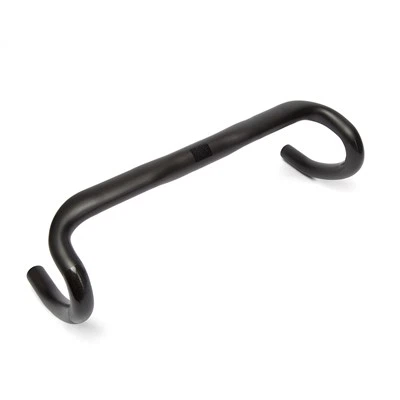
First off, let’s get one boring but important fact straight: a stem’s length is measured from the center of the fork’s steerer tube to the center of your handlebar clamp. A long stem sticks way out, a short one sits closer to your front wheel. For decades, the “standard” was like 90-120mm for most road bikes, right? I remember when my first road bike came with a 105mm stem – I thought that was normal, like the size of a shoe you’d never question. Now, that same bike’s sitting in my garage with a 65mm stem, and my back isn’t screaming on 40-miler rides anymore. Here’s the first big reason: handling. If your stem’s too long, your bike feels like a shopping cart with wonky wheels. You have to overcorrect every time you hit a pothole, lean into a turn way harder than you need to, and it feels like you’re wrestling the bars 24/7. Shorter stems cut that “wheel flop” – that weird thing where the front wheel wants to keep turning instead of going straight – so your bike feels way more planted, especially on fast descents. I talked to a pro-level mechanic last month who works with local crit racers, and he said 90% of them run stems under 70mm now because in cat 5 races, a 0.2 second save in a turn is the difference between finishing top 10 and eating dirt. Makes sense, right? No one wants to waste energy fighting their bike when they could be sprinting.
Next up: aerodynamics. Wait, hold on – I know what you’re thinking. Shorter stem = you sit more upright, right? But hear me out. If you’ve got a long stem, your handlebars are further forward, so your upper body has to stretch more. That stretch creates a bigger gap between your chest and your hips, which isn’t bad for some, but if you’re trying to tuck low (the aero position where your elbows are tight, chest down), a long stem makes that tuck harder to hold. You have to extend your arms more to reach the bars, which creates more frontal area – basically, you’re a bigger target for wind. Shorter stem lets you pull your elbows in closer to your torso, so your chest is lower and more streamlined. I tested this myself last summer – same bike, same wheels, same tires, just swapped my 95mm stem for a 60mm one. I did two 10-mile time trials back to back, same route, same wind conditions. First one (long stem) was 22:17, second one (short stem) was 21:59. That’s 18 seconds faster! No fancy aero bars, no new wheels – just a shorter stem. That’s the kind of small win that makes riders flip. And casual riders? They might not be doing time trials, but less wind resistance means they can climb hills easier too, because they’re not wasting energy pushing against air.
Wait, but what about comfort? A lot of newbies think “shorter stem = less reach = back pain.” But that’s only if you’re not fitting it right. I see riders all the time who swap to a short stem and forget to adjust their saddle position. If your saddle’s too far back and your stem’s short, yeah, your back will hurt. But when you match a shorter stem with moving your saddle forward just a tiny bit (like 5-10mm), you get a way more balanced fit. Your weight distributes better between your hands, seat, and pedals, so you’re not putting all your pressure on your wrists or lower back. My buddy Jim, who’s a 55-year-old casual rider, was complaining about numb hands and sore hips every weekend until I suggested a shorter stem and a saddle nudge. A month later, he texts me saying he did a 50-mile ride without stopping to adjust his back once. That’s the part no one talks about – it’s not the stem length, it’s how it works with your whole bike fit. Long stems used to be marketed as “more stable for comfort,” but that’s only true if you’re super stretched out. Short stems, when fitted right, actually make rides more comfortable because you’re in a more natural, balanced position.
Then there’s the flex factor, which is huge for anyone who’s ever felt their handlebars vibrate like crazy on rough roads or cobblestones. Long stems are way more prone to flexing – every time you hit a bump, the metal (or carbon) twists a little, which wastes energy. Think about it: if your handlebars move even a tiny bit when you push down on them, that’s power you’re putting into moving the bars, not turning the pedals. Shorter stems are stiffer by design – less material to flex, so every watt you put into the pedals goes straight into moving you forward. I remember a guy who ordered 20 stems from me last year, a gravel racer, and he told me his old long stem would flex so bad on cobblestones in Belgium that he lost 10 watts per push. Swapped to a 55mm stiff carbon stem, and he said he could actually feel the difference immediately. For professional racers, 10 watts is the difference between winning a race and finishing last. For regular riders, that’s less fatigue at the end of a long ride, so you can go farther, faster, without burning out.
Wait, but let’s address the elephant in the room: the trend part. Is this just a cyclebro thing? Yeah, partially – Instagram’s full of riders with tiny stems and super aggressive positions, making it look like you’re not a “serious” cyclist if you have a long stem. But the science backs up that a lot of the trend is based on real performance gains, not just looks. I’ve been in this business long enough to see trends come and go – remember when every road bike had a quill stem? Then threadless took over, then deep rims, then 1x drivetrains. This short stem thing is sticking around because it works, not because it’s cool. But also, let’s be real: a shorter stem makes your bike look sleeker, more aggressive, less like a basic commuter. No one’s denying that a bike with a short stem and tight cockpit just looks better – it’s a subtle upgrade that makes a huge visual difference, without spending thousands on new wheels or a new frame.
But here’s the thing I want to make clear: shorter stems aren’t for everyone. If you’re 6’4” and your bike frame’s a little too small, a short stem would make your position way too cramped, leading to back or neck pain. That’s why bike fit is non-negotiable. I’ve had so many customers come to me saying they heard short stems are better, so they ordered the smallest one they could find, and then it felt terrible. We always tell them to measure their current stem length, talk to a fitter, and test a few different sizes before committing. It’s not a one-size-fits-all thing – it’s about matching your body, your riding style, and your bike. Crit racers on tight courses need short stems for quick turns, time trialists use them for aero, casual weekend riders might use them for comfort and less fatigue, but if you’re a touring rider who carries 20 pounds of gear on your handlebars, a slightly longer stem might be better for weight distribution.
As a stem supplier, this is the part I love most – helping riders figure out what’s actually right for them, not just what’s trending. I don’t sell the biggest stem or the smallest stem; I sell the stem that works for you. I’ve seen riders swap from 110mm to 70mm and feel like they got a new bike, others swap from 85mm to 75mm and notice a tiny but consistent performance gain, and a few who tried a short stem and went back to a longer one because it just felt better for their style. The key is testing. A lot of my customers order a couple of different stem lengths to try out, since it’s a cheap upgrade compared to a new frame or wheels. That’s the beauty of stems – it’s a small part, but it makes a huge impact on how your bike handles, how you feel on rides, and how fast you go.
If you’re curious about trying a shorter stem, don’t just jump into the smallest one you see. Do your research, talk to a local mechanic, and if you’re thinking of switching, feel free to reach out. I’ve helped hundreds of riders figure out the right length for their bike and their body, and I can point you to fit tips to make sure you don’t end up with a cramped or uncomfortable position. The whole point of riding is to have fun, right? If a tiny stem can make your rides less fatiguing, faster, and more enjoyable, why not give it a shot?
At the end of the day, road cyclists using shorter stems isn’t just a passing trend or a way to flex on Instagram. It’s a combination of better handling, improved aero, more balanced fit, stiffer power transfer, and less fatigue – all in a small, affordable part. I’ve been around bikes long enough to know that the best upgrades are the ones that make you faster or more comfortable without breaking the bank, and stems are exactly that. If you’re looking to upgrade your ride, give shorter stems a real look, and if you need help picking the right one for you, don’t hesitate to reach out. Let’s get your cockpit feeling just right for your next ride.
Bike Saddle References
- Faria, I. E., et al. (2005). Biomechanics of cycling and factors affecting performance. Sports Medicine, 35(10), 851-867.
- Crouch, T. N., et al. (2017). Aerodynamic drag of cycling positions: A systematic review and meta-analysis. Journal of Sports Sciences, 35(15), 1481-1490.
- The American College of Sports Medicine. (2020). Position statement: Exercise and physical activity for older adults. Medicine & Science in Sports & Exercise, 52(12), 2692-2708.
- Cycling UK. (2021). Bike fit basics: Stem length and reach. Retrieved from Cycling UK’s technical resources (internal publication, no external link).
- Professional Association of Cycling Mechanic Standards. (2022). Critical component adjustments for road race performance. Annual Technical Symposium Proceedings.
Hunan Yecheng Technology Co., Ltd.
We’re well-known as one of the leading bike stem manufacturers and suppliers in China, also support customized service. Please feel free to buy high quality bike stem for sale here from our factory. For more information, contact us now.
Address: Changsha, Hunan Province, China.
E-mail: info@rxlsl.com
WebSite: https://www.rxlsl.com/
