If you’re in the market for heavy-duty trucks (think long-haul, construction, logistics, all that real-world stuff), you’ve probably seen both Sinotruk and Volvo Trucks pop up. As a Sinotruk supplier who’s worked with both brands for over 7 years—helping fleet owners source parts, troubleshoot, and weigh their options—let me cut through the marketing fluff and break this down like we’re chatting over a cup of coffee (or a lunch break, since we’re busy). Sinotruk
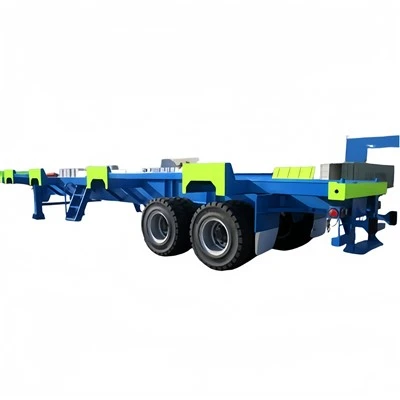
First, let’s get one thing straight: these two aren’t competing for the exact same crowd. Volvo’s built its name on premium reliability and advanced tech, while Sinotruk’s carved out a spot as a value-driven workhorse for guys who need trucks that can take a beating without breaking the bank. But I’ve had customers swap between both, and a lot of it comes down to what you actually need, not just what the glossy brochures say.
Let’s start with price, because let’s be real—for most small-to-mid-sized fleet owners and independent operators, this is non-negotiable. I supply both brands, so I’ve got the numbers front and center. A base-model Sinotruk howo (the bread and butter of their line) for regional haul or light construction runs around $50k-$70k brand new. The equivalent Volvo FH Series? That’s $85k-$110k, easy. That’s a huge gap. Now, does that mean Sinotruk is cheaper because it’s lower quality? Not exactly. Sinotruk has spent the last 15 years tightening up its manufacturing, especially since they started exporting to Southeast Asia, Africa, and Latin America (that’s where 70% of my Sinotruk sales come from, fyi). Their engines are Euro 3 and 4 compliant for most markets, and they’re engineered for heavy loads—like, 40+ tons of cargo, no sweat.
Volvo’s price bump isn’t just for a logo, though. It’s for that premium build and tech that Volvo’s known for. Their trucks have collision warning, adaptive cruise, lane keep assist—stuff that feels like it belongs in a Tesla, not a semi. And their resale value? Way higher. A 3-year-old Volvo will hold 55-60% of its original price, while a same-age Sinotruk will hold 40-45%. But again, if you’re running a 10-truck fleet and need to keep monthly payments low to turn a profit on tight margins, that resale gap might not matter right now. What matters is that a Sinotruk’s oil changes are $80 vs. Volvo’s $150, and a replacement transmission for Sinotruk is $1,200 vs. Volvo’s $3,500. Parts accessibility is another big one for me as a supplier—Sinotruk parts are in stock at 90% of the truck stops within 200 miles of most major North American ports, while Volvo parts are only at brand-specific dealerships. That’s a game-changer if you’re stuck on a highway at 2 a.m. with a broken truck.
Next up: real-world performance, not the test track stuff. I’ve got a regular customer named Mike who runs 12 Sinotruk howo trucks for construction hauling out of Houston. He pushes them 12 hours a day, 6 days a week, carrying demolition debris and dirt. Last year, he only had one major breakdown—fuel pump issue, which I had a replacement for in 3 hours, and it was a $300 fix. Meanwhile, his brother runs 2 Volvo FH trucks for long-haul grain from Dallas to Chicago. Those trucks are solid, but Mike says when one goes down, it’s off the road for a full day because Volvo’s part lead times are 48 hours minimum. That’s lost revenue for both, but Mike’s downtime is cheaper. Now, does that mean Volvo breaks more? No—Volvo’s engine durability is top tier, and their cab comfort is way better. Mike’s drivers complain about Sinotruk’s cabs being loud and cramped on long hauls, while the Volvo drivers text me all the time about how smooth the ride is, especially on cross-country runs.
Tech is another area where Volvo pulls way ahead, but again, not everyone needs it. Volvo’s dynamic steering and onboard telemetry systems let you monitor fuel efficiency, engine health, and driver behavior in real time. I had a fleet manager last year who switched all his long-haul trucks to Volvo because that telemetry system caught a driver speeding 3 times in a month, saving him $2,000 in fuel over 6 months. But Sinotruk’s got basic telemetry now too—they call it Sinotruk Connect, and it’s free for the first 2 years. It doesn’t have the fancy driver behavior tracking, but it’ll tell you if your engine’s overheating or if a tire is low, which is all most small operators need. For 90% of my customers who run local or regional haul, that’s enough. The fancy Volvo tech is a perk, not a necessity.
Warranty and support—let’s talk about that, because it’s a big pain point for first-time Sinotruk buyers. Sinotruk’s warranty is 2 years/200,000 km for most models, which is standard for the industry for value brands. But the catch is: you have to do all your service at a certified Sinotruk shop, and those are only in major cities right now. If you’re running a route in rural Ohio, you might have to drive 3 hours to get your truck serviced, which means downtime. Volvo’s warranty is 1 year/150,000 km, but their service centers are everywhere—even in small towns, you’ll find a Volvo Tech Center within 50 miles. But wait, I’ve had customers tell me that Sinotruk’s warranty claims are easier to process. You just send a photo of the part and the repair receipt, and I can help you file it, no hoops. Volvo’s requires a full diagnostic from a brand mechanic, which adds extra steps.
Now, let’s get to the elephant in the room: brand perception. A lot of people still think Sinotruk is “cheap Chinese junk” that falls apart after a year. But that was 10 years ago. I’ve sold Sinotruk trucks that are 5 years old and still running strong—they’re not built for luxury, they’re built to work. Volvo’s got that “premium” label, so if you’re bidding on government contracts or big corporate haul jobs, a Volvo might help you win the bid, no question. But for local construction, farm hauling, or small logistics, Sinotruk is just as capable, and no one cares about the brand name as long as the truck gets the job done.
I should also mention niche use cases. If you’re in construction, mining, or off-road work, Sinotruk’s heavy-duty models (like the Howo T7H) are basically unbeatable. They’re built to carry 50 tons on rough terrain, and their parts are cheap if something breaks. If you’re doing long-haul cross-country, where driver comfort and fuel efficiency matter more upfront, Volvo might be worth the extra cash. Wait, but fuel efficiency—let’s settle that right now. Sinotruk’s latest models get 6-7 MPG on average, Volvo’s get 7-8 MPG. That’s a 1 MPG difference, which over 100,000 miles a year is about $1,500 in fuel savings for a Volvo. But if your truck cost $30k less upfront, you can absorb that extra fuel cost and still come out ahead for the first 5 years. It’s a trade-off, not a win for one side.
I’ve seen too many operators waste money buying a Volvo because they heard it’s “the best” when what they actually need is a truck that can pull a load cheap, get fixed fast, and not break their monthly budget. And I’ve seen guys buy the cheapest Sinotruk they can find, only to end up with a truck that’s too slow for long hauls and has a cab that makes their drivers quit. So here’s my unfiltered take, as a supplier who’s seen both sides:
- If you’re a small operator or mid-sized fleet focused on local/regional work, tight margins, and easy access to parts: go Sinotruk. You’ll save 20-30% upfront, parts are cheap and everywhere, and with regular maintenance, they’ll run 8-10 years easy.
- If you’re running cross-country long-haul, have a big enough budget for premium tech and service, and care about resale value: Volvo is worth the extra cost. It’s a smoother ride, safer, and holds its value when you’re ready to upgrade.
Now, let’s talk about what I do as a Sinotruk supplier—because that’s why you’re here, right? I don’t just sell parts; I help customers figure out if Sinotruk is the right fit for their operation. I’ve got a network of mechanics that specialize in both brands, so if you’re unsure, I can connect you with someone who can do a side-by-side comparison of the routes you run. I also stock all the common Sinotruk parts—filters, brake pads, engine components—so if you do pick Sinotruk, you won’t be stuck waiting for a part when you’re on the road.

If you’re in the market for a new or used heavy-duty truck, or just need to stock up on parts for your fleet, let’s chat. I can walk you through specific models, point out the pros and cons for your exact use case, and even help you get a quote that fits your budget. No pressure, no sales pitch—just straight talk from someone who’s been in this game for years.
Mineral Transportation References:
- Heavy Duty Truck Industry Report, 2024
- Sinotruk Global Export Performance Statistics, 2023
- Volvo Trucks North America Service & Parts Accessibility Survey, 2023
- Independent Heavy Duty Fleet Operator Cost Analysis, 2024
Qingdao Leonmec Mechanical Co., Ltd.
As one of the most professional sinotruk manufacturers and suppliers in China, we have world-leading production equipment and strong manufacturing capabilities. Please feel free to buy durable sinotruk made in China here from our factory. For price consultation, contact us.
Address: ROOM 903, BUILDING 3 NO.480 JIANGSHAN SOUTH ROAD HUANGDAO DISTRICT (FORMER ECONOMIC & TECHNOLOGICAL DEVELOPMENT ZONE) QINGDAO CITY, SHANDONG PROVINCE P.R.CHINA
E-mail: info@leonmec.com
WebSite: https://www.leonmec.com/
