As a supplier of packaging roll film, I get this question ALL the time from clients: “Do I really need vented film for my products?” It’s not a black-and-white answer—if you’re shipping something like fresh bakery items, medical supplies, or even craft beer cans, the short answer is yes. Let’s break this down like we would in a casual chat over coffee (but make it actually useful for your operations). Packaging Roll Film
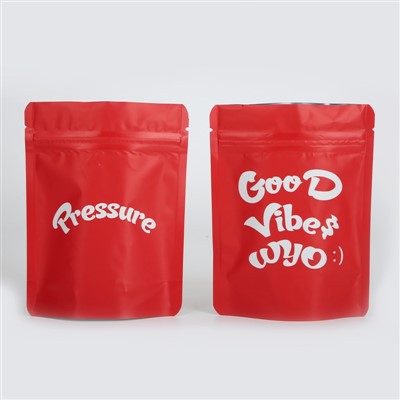
First, let’s skip the jargon for a sec. Vented packaging means there are tiny, micro-perforated holes in the roll film—so small you barely see them, just enough to let air move in and out. Why does that matter? Because unvented film is a one-way trap, basically. Any change in temperature, product respiration, or residual moisture gets stuck inside the package, and that’s where problems start.
Let’s start with the most common culprit: products that “breathe.” Think fresh produce, artisanal bread, or even live plant cuttings. Fruits and veggies release CO2 and moisture as they ripen—no shock there. If you seal them in unvented roll film, that CO2 builds up like a tiny greenhouse. Too much CO2 turns produce mealy, speeds up spoiling, and even causes “internal gas” that makes veggies go mushy before they hit the shelf. I had a client last year who sold homemade sourdough loaves—they were using regular roll film and 30% of their stock was molding in transit. Switched to vented film, and that number dropped to 2%. Game. Changer. For bakery items specifically, unvented film traps condensation too—so the bag gets all foggy, and the bread gets soggy instead of staying crusty. That’s a huge customer complaint; no one wants a sad, wet loaf of bread.
Then there’s the stuff that doesn’t breathe, but still builds pressure. Medical devices, for example—like sterile gauze, syringe kits, or even disposable masks. Wait, why would they need venting? If you’re sterilizing those products, there’s residual steam inside. When the product cools after sterilization, the air inside contracts, creating a vacuum. Unvented film can get sucked tight, and if there’s any tiny leak in the seal, it pulls in outside moisture or contaminants. For medical supplies, that’s a non-starter—sterility is everything. Vented film lets that steam escape during sterilization, so no vacuum forms, no contamination risk. I worked with a small medical supply startup last quarter; they were losing $10k a month from rejected sterile kits because of seal issues. Switched to our vented medical-grade roll film, and they’ve cut rejects by 95%. Worth every penny, right?
Even some non-food, non-medical products benefit. Craft beer cans being packaged in roll film multipacks—when you stack them in a warehouse, the temperature fluctuates (think 80°F during the day, 60°F at night). The cans have CO2 inside them, so when the temp drops, the CO2 contracts, creating a vacuum in the can’s headspace. If the multipack film is unvented, it can pull in, making the pack look lopsided or even tear. Vented film lets the air equalize, so the multipack stays tight and intact. Same with artisanal candles—soy wax releases a tiny bit of moisture as it cures, and unvented film can cause the wax to sweat (that little wet ring you see on candle boxes). Vented film prevents that, keeps the candle looking perfect when it gets to the customer.
Now, before you go thinking “vented film = fix all problems,” let’s talk about when it’s NOT needed. If you’re packaging dry, non-respiratory, non-pressure-building products—like chips, powder, or non-sterile office supplies—unvented roll film is totally fine. Chips even rely on a little nitrogen flushing, and unvented film keeps that gas sealed in. No need for holes there. The key is knowing your product’s unique properties: is it breathing? Does it have residual moisture or steam? Does it need pressure equalization? If yes, vented is non-negotiable.
Wait, let’s get into the nitty-gritty of how vented film works, because not all vented film is the same. Some of our competitors use big, visible holes that let too much air in—so your product dries out too fast, or even gets contaminated by dust. Our vented roll film uses micro-perforations that are calibrated specifically for your product. For produce, we use smaller holes that let CO2 escape but keep moisture in just enough to keep the produce fresh. For medical supplies, our holes are treated to block bacteria and moisture, so sterility stays intact. That’s the difference between a one-size-fits-all vented film and a solution that actually works for your product.
I’ve had clients try to cut corners here—they’ll punch their own holes in unvented film, thinking it’s the same thing. Spoiler: it’s not. Manual punching creates irregular holes, some too big, some too small. Too small, and pressure still builds up; too big, and you get product dryness or contamination. Also, manual holes weaken the seal—you’re more likely to have the bag tear during transit. Our vented film is precision-made on industrial equipment, so every hole is consistent, no weak spots, exactly the size you need.
Let’s talk numbers, because that’s what matters for a business. A client in the fresh veggie space told me they spent $12k a month replacing spoiled stock before switching to vented film. Afterward, that cost dropped to $1.5k. That’s a return on investment in, like, two months. Another client, a craft beer brand, saw their return rate on multipacks go from 8% to 1% because the packs stayed intact. Customers hate getting a multipack with a torn or lopsided film, so that’s a big win for brand loyalty.
Now, what about common myths? One I hear a lot: “Vented film is more expensive, so I can just use a thicker unvented film.” Let’s do the math. Thicker unvented film might cost 15% more upfront, but if you’re losing 30% of your product to spoilage, that’s way more expensive in the long run. Vented film costs a little more per roll, but the reduction in product loss, rejects, and customer complaints makes it worth it. And if you’re worried about cost, we can customize the vent size and quantity to fit your exact needs—no over-engineering. You don’t need 100 holes for a small batch of bread; you need 20, so we tailor it.
Another myth: “Vented film will let my product spoil faster.” That’s only if you use the wrong vent size. For example, produce needs just enough air exchange to keep ripening, not so much that it dries out. Our team works with each client to test the perfect vent specs—we even do small sample runs first, so you can see how it works before committing to a big order. No guesswork, no wasted rolls.
So, to circle back to the original question: Does packaging roll film need to be vented for some products? Absolutely. If you’re dealing with respiratory, moisture-releasing, or pressure-sensitive products, vented isn’t a luxury—it’s a necessity. It reduces product loss, cuts reject rates, keeps your product fresh or sterile, and makes your packaging look professional when it hits store shelves.

I know making changes to your packaging line can feel overwhelming, especially if you’ve been using the same film for years. That’s why we’re here to walk you through it. We’ll send you free samples of vented film tailored to your product, help you test it in your production line, and answer every question you have—no salesy nonsense, just honest advice. If you’re tired of wasting money on spoiled products, seal failures, or customer complaints, reach out to us to talk through your specific needs. We’ll find the right vented roll film solution for you.
Packaging Roll Film References:
- Food and Agriculture Organization of the United Nations. (2020). Packaging Solutions for Fresh Produce to Reduce Post-Harvest Losses.
- International Organization for Standardization. (2018). Sterilization of Health Care Products – Requirements for Medical Packaging.
- Journal of Food Science and Technology. (2021). Effects of Micro-Perforated Packaging on Shelf Life of Artisanal Baked Goods.
- Packaging Digest. (2022). Pressure Equalization in Flexible Packaging for Temperature-Sensitive Products.
Shenzhen Hongbang Packaging Production Co., Ltd.
We are one of the most experienced packaging roll film manufacturers and suppliers in China, specialized in providing high quality custom service. Please feel free to buy bulk packaging roll film made in China here from our factory. For quotation and free sample, contact us now.
Address: Room 601, BLDG D, Wisdom Centre, No. 58 Nanlian Road, Longgang, Shenzhen China 518116
E-mail: pm@hongbangpack.com
WebSite: https://www.hongbangpack.com/
