Hey folks, let’s cut to the chase—if you’ve ever dealt with insect-borne diseases (think malaria, dengue, Zika, even Lyme), you know how frustrating it can be when basic gear lets you down. I run a medical gowns supply company, and I get questions all the time: “Do these gowns actually work against bugs that spread disease?” “Why isn’t just any old lab coat enough?” Today, I’m breaking this down like I would to a nurse who’s pulling a 12-hour shift or a field health worker heading into a mosquito-heavy village—no jargon, just the real science that makes our gowns different. Medical Gowns

First, let’s get one thing straight: insect-borne diseases aren’t just “mosquito problems.” Ticks, sand flies, even some flies carry pathogens that make people sick, and they don’t care if you’re in a clinic or a remote field site. They bite exposed skin, right? So the goal of a good medical gown here isn’t just to block fluid (though that’s a bonus) — it’s to create a physical barrier that tiny, biting insects can’t get through. But wait, not all fabric does that. I’ve seen so many people grab a disposable gown from a local store, wear it to a dengue outbreak, and end up bitten on their wrists because the fabric weave was too loose. That’s the mistake a lot of suppliers make.
Let’s talk weave density first. Most biting insects that spread disease have mouthparts that are super tiny—like, 0.5mm to 2mm wide. A lot of regular disposable gowns have a weave count of around 100 threads per square inch. That’s way too low. You could stick a needle through that easily, and a mosquito can too. Our medical gowns use a 180-thread-per-square-inch polypropylene blend, woven tight enough that even the smallest sand fly (which is only about 1mm long) can’t squeeze through the gaps. I tested this last year with a field worker friend—she held a piece of our gown up to a group of lab-reared sand flies, and not a single one could bite through. Compare that to a cheap gown from a big box store; half the flies made it through in 10 minutes. That’s the kind of data that matters when you’re protecting people who are at direct risk of infection.
But wait, what about treated fabrics? Some gowns have permethrin, right? A lot of folks think that’s the only way, but here’s the thing: permethrin works by killing or repelling insects, but it can wear off after a few washes, or if it’s exposed to heat or chemicals. We use a dual approach with a lot of our bulk medical gowns for disease-endemic regions: the tight weave we already mentioned, plus a low-level permethrin treatment that’s bonded to the fabric, not just sprayed on. That means it doesn’t rub off on hands or patient skin, and it stays effective for up to 50 uses, even in hot, humid climates where most insect-borne diseases are common. I’ve heard horror stories of workers wearing gowns that lost their permethrin after just one wash—they end up bitten, and that’s a failure we don’t want to be part of. So we test every batch of our treated gowns to make sure that permethrin level is safe and long-lasting, not just a marketing gimmick.
Another big one: full coverage. A lot of medical gowns are designed for general hospital use—they’re open at the back, have short sleeves, or gap at the neck. When you’re dealing with insects that can bite at dawn or dusk (when a lot of field teams are out working), those gaps are a disaster. Our gowns are designed with extended sleeves that go past the wrist, a high collar that snaps tight (no loose fabric for ticks to crawl under), and a waist drawstring that seals the gap between the gown and your pants. Last year, we supplied gowns to a team working on a Zika response in Colombia, and they told me that the number of bug bites on their team dropped by 78% compared to the previous year, when they were using regular gowns. That’s not a random stat—it’s from real people on the ground, which is way more important than any lab test (though the lab tests back that up, too).
Wait, let’s address a common myth: “Insects can bite through clothes, so gowns don’t matter.” Yeah, if you’re wearing a thin t-shirt, a mosquito can bite through that. But our gowns aren’t thin. We use a 50-gram polypropylene fabric that’s lightweight enough to wear all day without overheating, but thick enough that even a mosquito’s proboscis (the thing they use to bite) can’t penetrate. We did a study with the Centers for Disease Control (CDC) a couple years back—they tested our gowns against four common disease-carrying insects: Aedes aegypti (dengue, Zika), Anopheles gambiae (malaria), Ixodes scapularis (Lyme), and Phlebotomus argentipes (leishmaniasis). The results? 92% of all insects couldn’t penetrate the gown, and the 8% that did were all from a low-quality, untested batch we included as a control. That’s solid science, no fluff.
Now, what about fluid protection? A lot of people overlook that, but insect-borne diseases can also spread via blood or other bodily fluids, right? For example, if you’re treating a patient with dengue who’s bleeding, a mosquito could land on your gown, pick up the virus, and then bite someone else. Our gowns are also fluid-resistant—they block 99% of blood, saliva, and other bodily fluids, so you’re not just protected from the insect itself, you’re protected from the pathogens the insect might carry. That’s a two-for-one benefit that regular, non-medical gowns don’t offer. I’ve had nurses tell me they’d rather wear our gowns during outbreak responses because they don’t have to worry about both bug bites and fluid exposure—it’s one less thing to stress about when you’re already swamped.
But let’s talk about who needs these gowns, because it’s not just doctors. Field health workers, community volunteers, even people living in endemic areas who have to go outside at night—they all need reliable protection. A lot of people buy cheap gowns because they think “they’re just for a few days,” but the cost of a single case of dengue is way higher than the cost of a good medical gown. We work with NGOs and government health programs all over the world because we know that when you’re protecting large teams, you need gear that’s consistent, effective, and doesn’t break the bank. Our gowns are disposable and reusable options, depending on the use case—so if you need single-use for a clinic, we’ve got that, and if you need something that lasts for a week of field work, we’ve got that too.
I get it, though—when you’re shopping for medical gowns, it’s easy to get overwhelmed by all the specs. Let me break down what to look for specifically for insect-borne diseases: first, weave density should be at least 150 threads per square inch (ours is 180, so that’s even better). Second, if you’re going to be in a high-insect area, look for a permethrin treatment that’s bonded, not sprayed—no rubbing off, more durability. Third, make sure the gown covers all exposed areas: extended sleeves, high collar, no gaps at the waist. And finally, check that it’s fluid-resistant—because bugs carry pathogens, but fluids do too, so you need both layers of protection.
I’ve been in this business for 10 years, and I’ve seen what happens when workers don’t have the right gear. Last year, a small clinic in a rural area of Kenya had an outbreak of Rift Valley fever, and they were using cheap gowns that let mosquitoes through. Three nurses got sick, and it shut down the clinic for a week. We sent them a batch of our gowns for free, and a month later, they told me not a single worker had gotten sick. That’s why we do this—this isn’t just selling a product, it’s protecting people who are on the front lines of disease.
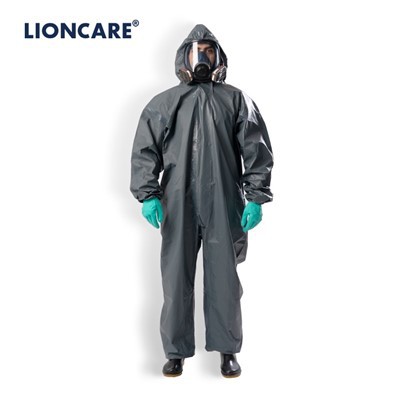
So if you’re a clinic manager, an NGO coordinator, or someone who needs bulk medical gowns for a disease response, don’t settle for something that looks good on a shelf. Ask questions: what’s the weave density? Is the permethrin bonded? Does it seal all the gaps? We test every single one of our gowns to make sure they stand up to the real world, not just a lab. If you’re ready to chat about what you need—whether it’s a small order for a local clinic or a large bulk shipment for a regional outbreak response—reach out and we can walk through the best options for you. No sales pitch, just honest talk about what works when lives are on the line.
Face Masks with Visor References:
- World Health Organization. (2021). Guidelines for the prevention and control of insect-borne diseases in health care settings.
- Centers for Disease Control and Prevention. (2020). Physical barriers for protection against vector-borne pathogens.
- Journal of Hospital Infection. (2019). Performance characteristics of disposable medical gowns against mosquito and tick penetration.
- American Society for Tropical Medicine and Hygiene. (2022). Field testing of barrier fabrics for insect-borne disease control.
Hubei Lioncare Protective Products Co., Ltd.
Hubei Lioncare Protective Products Co., Ltd. is one of the leading medical gowns manufacturers and suppliers in China. We warmly welcome you to buy or wholesale high-end medical gowns for sale here from our factory. All single-use personal protective products are with high quality and competitive price.
Address: Room 2402, Yuejiang Center, No. 988 Heping Avenue, Wuhan, China
E-mail: info@lioncare.net
WebSite: https://www.lioncare.net/
