As a storage sofa supplier, I get this question every single week from customers—sometimes even multiple times a day: “Can I add more cushions to my storage sofa?” It’s such a practical question, too, because when you invest in a storage sofa, you’re not just buying a piece of furniture; you’re solving a real life problem. Maybe you live in a small apartment in a big city, where every square foot counts. Or maybe you have a growing family, and those extra linens, kids’ toys, or out-of-season clothes are piling up in every corner of your home. Cushions, on the other hand, are about comfort—they’re what turn a functional storage spot into a place you actually want to sit, to read a book, watch TV, or nap after a long day. So it makes total sense that you’d want both: that smart storage space and those extra little touches that make your sofa feel like yours. Let’s break this down, because it’s not a yes or no answer—it’s a “yes, but here’s how to do it right, and here’s why we’ve designed our storage sofas to make this possible.” Storage Sofa
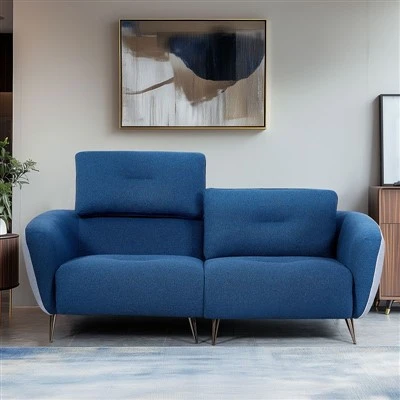
First, let’s talk about the two main types of cushions on a typical storage sofa, because they work together differently. There are the seat cushions, which sit right on top of the sofa’s frame, and the back cushions, which lean against the backrest. The storage part of our sofas is almost always the base—there’s a lift-up compartment under the seat, right? So that seat cushion is sitting directly on top of that storage lid, or sometimes on a small platform that covers the storage space. That’s the key here. When you add an extra seat cushion, you’re not just adding a soft layer—you’re putting something on top of that storage lid, which means you have to think about weight, fit, and how that will affect the sofa’s function.
Let’s start with seat cushions, because that’s where most of the confusion happens. A lot of people think, “The storage sofa has a standard seat cushion, so I can just add another one on top, right?” Well, technically you can, but is it a good idea? Let’s get into the science (I promise it’s not as boring as it sounds) here. Our storage sofas are engineered to support a certain amount of weight, both for the frame and for the storage lid itself. The average standard seat cushion for a 3-seat storage sofa is between 20 and 30 pounds, depending on the filling—most are made of foam or a mix of foam and fiber, so they’re light, but some memory foam ones are a bit heavier. The storage lid, the part you lift to access the space, is designed to hold up that seat cushion, plus the weight of people sitting on it, right? That’s why it’s made of sturdy plywood or high-density particleboard, sometimes with metal hinges for extra durability.
If you add another seat cushion on top, let’s say a 10-pound throw cushion or a 15-pound decorative cushion, that’s extra weight on the lid. Now, most of our storage sofas can handle that—wait, no, let’s be specific. We test all our models to hold a maximum of 500 pounds on the seat area, which includes the cushion, the people sitting, and any extra items. But here’s the catch: the lid itself, when closed, is only supporting the weight that’s on top of it, not the weight when it’s lifted. Wait, no—actually, when you lift the lid, the hinge is supporting the lid and whatever is on it, right? So if you add a thick seat cushion, when you lift the lid to get your blankets out, you have to lift that cushion too. That’s not a big deal for most people, but if you have a heavy cushion, it can make the lid feel heavier, especially if you’re lifting it one-handed. We’ve had customers tell us they added a memory foam seat cushion and found the lid a bit harder to lift, which makes sense—memory foam is denser than regular foam.
Another thing with seat cushions: fit. If your storage sofa is a standard size, like a 78-inch 3-seater, the seat is 78 inches wide, so a regular seat cushion will be 76 or 77 inches, leaving a little gap on the sides. If you try to add another cushion that’s the same size, it won’t fit—you’ll have a gap, or it will overlap, which looks messy. The fix here is to use smaller throw cushions for extra seat space, not full-size seat cushions. A lot of customers do this: they have the main seat cushion, then add two 20-inch square throw cushions on the ends, or one large 40-inch throw cushion in the middle. That works because throw cushions are designed to sit on top of seat cushions, they’re lighter, and they don’t interfere with the lid lifting. We actually recommend that for small spaces, because you can rearrange the throw cushions if you need more space for someone to sit, or if you want to clean the seat cushion.
Now, what about back cushions? That’s a totally different story, and here’s where most people don’t realize the difference. Back cushions on a storage sofa are usually attached, right? Or at least they fit snugly against the backrest frame, which is made of wood, so it’s very sturdy. You can definitely add extra back cushions here, because the backrest frame is supporting all that weight, not the storage lid. Wait, but let’s make sure. The back of our storage sofas is not connected to the storage compartment at all— the storage is only the base under the seat. So the backrest is a separate wooden frame, with springs or webbing, just like a regular sofa. That means you can add as many back cushions as you want, as long as they fit. A lot of people mix this up, thinking that the back is part of the storage, but no—storage is always the base, under the seat. So adding extra back cushions is totally safe, no issues with weight or function. The only thing to consider here is size: measure the width of your backrest, then get cushions that are a few inches smaller on each side, so they fit snugly without falling off or overlapping.
Now, let’s talk about common mistakes we see customers make when adding extra cushions to their storage sofas, because we’ve helped hundreds of people fix these. First, buying a full-size extra seat cushion instead of throw cushions. A customer came to us last month, bought a 78-inch seat cushion to add to her existing storage sofa, and when she tried to lift the lid, the cushion was too thick, so it hit the back of the sofa frame and wouldn’t lift all the way. She had to cut a little bit off the side of the cushion to make it fit. That’s avoidable. Second, choosing cushions that are too heavy for the lid. We had another customer add a 20-pound down seat cushion on top of the storage lid, and after a few months, the hinge started to loosen, because it was carrying that extra weight every time she lifted the lid. Down cushions are great for comfort, but they’re heavier, so if you want a soft seat, you can pair a lighter main seat cushion with a few lighter throw cushions, instead of a heavy extra seat. Third, not considering the height of the cushion. If your extra seat cushion is more than 6 inches thick, it can make the seat too high, which might be uncomfortable to sit on, and it can also make the back cushions sit at an awkward angle. We recommend seat cushions no more than 5 inches thick for storage sofas, because that’s the sweet spot for comfort and lid function.
Wait, but what if you have a small storage sofa, like a 55-inch 2-seater? Does that change anything? A little, because the frame is smaller, so the weight capacity is a bit lower—most 2-seater storage sofas hold up to 350 pounds. But even then, adding two small throw cushions is totally fine. We have a customer with a 2-seater in her studio apartment, and she uses three 18-inch throw cushions on the seat, plus two larger back cushions, and she’s had it for two years with no issues. The key here is that you’re not putting all that weight in one spot, and you’re not lifting a huge heavy cushion every time you open the storage.
Now, let’s talk about the benefits of adding extra cushions, because it’s not just about comfort. A lot of customers want to change the look of their sofa without buying a whole new one, and extra cushions are the cheapest, easiest way to do that. You can get different colors for the seasons—neutral for winter, bright colors for summer. You can mix different textures: linen, velvet, cotton, to add depth to your living room. For storage sofas, this is even better because you don’t have to replace the expensive frame and storage parts; you just swap out cushions when you want a change. That’s why we always tell customers that cushions are like accessories for your sofa, not just extra padding.
But here’s something we always emphasize: if you’re adding cushions, make sure they’re the right size. We sell custom cushions for our storage sofas, actually, because we know that off-the-shelf cushions might not fit. Our custom seat cushions are made to fit exactly the gap on our sofa frames, so if you want an extra cushion, you can get a custom throw cushion in a size that fits perfectly, no gaps, no overlapping, no lid issues. We also make them with different fillings: foam for firm support, fiber for softness, down for luxury, so you can choose what works for you.
Wait, let’s address a question we get all the time: “Will adding extra cushions make it harder to access the storage?” That’s the big one, right? Because the whole point of a storage sofa is that you can hide stuff. Let’s be clear: if you add a full-size seat cushion on top, it might. Because that cushion is sitting on the lid, so when you lift the lid, you have to move the cushion first. But if you use throw cushions, you can just lift the ones on the side, or you can move them all to one end, and then lift the lid. They’re light, so it takes two seconds. Some customers even leave the throw cushions in the living room while they access storage, and that works too—they just set them on a chair or the coffee table for a minute. We’ve tested this with all our models, and we’ve found that throw cushions add about 10 seconds of extra time to accessing storage, which is negligible for most people. The only time it’s a problem is if you have a huge, heavy extra seat cushion that’s meant to be a permanent addition, not a temporary throw.
Another point: cleaning. If you have extra cushions, you have more fabric to clean, right? Most storage sofa cushions have removable covers, which is a must, and that’s true for the extra cushions too. We always recommend getting cushions with machine-washable covers, because spills happen, especially if you have kids or pets. So if you add extra cushions, make sure they have removable covers, so you don’t have to wash the whole cushion every time there’s a stain. That’s a practical tip we learned from thousands of customers over the years.
Let’s also talk about weight limits, because that’s a big concern for safety. Our storage sofas are tested to meet industry safety standards, so you never have to worry about the frame breaking, as long as you follow the weight guidelines. For a standard 3-seater, maximum weight on the seat is 500 pounds, which includes people sitting and cushions. So even if you have three 15-pound seat cushions, that’s 45 pounds, leaving 455 pounds for people, which is more than enough for three average-sized adults. For back cushions, the weight limit is way higher, because the back frame is not connected to the storage, so you could have 10 back cushions each weighing 5 pounds, and that’s 50 pounds, no problem at all.
Now, what if you want to add more than just a couple of extra cushions? Like, a whole set of four throw cushions on a 3-seater. Is that okay? Absolutely. We have a customer with a 3-seater who uses four 20-inch square throw cushions, one at each end and two in the middle, plus the main seat cushion. That gives her plenty of space to sit, and when she needs to access storage, she just moves the two middle ones and one end one, so three cushions total, which is easy. She also has two extra back cushions, so total six cushions, and her sofa is two years old with no hinge issues, no frame damage, no problems. It all works as long as you’re using light, well-fitting cushions, not heavy custom ones that are too thick.
Wait, let’s clear up a common misconception: some people think that adding extra cushions will damage the storage lid over time. That’s only true if you’re putting too much concentrated weight in one spot, or if you’re lifting a very heavy cushion every day. If you spread the weight of the extra cushions evenly across the seat, and you use light cushions, the lid will last just as long as it would without extra cushions. We have a model that’s been in a showroom for five years, with three extra throw cushions on the seat, and the lid still opens and closes as smoothly as the day it was put there. That’s because we designed the lid with reinforced hinges, so it can handle regular use, even with a little extra weight.
Now, let’s tie this all together, because I know you’re probably still wondering what the short answer is. Yes, you can add more cushions to a storage sofa, but there are right ways and wrong ways to do it. The right way is: for seat areas, use light, smaller throw cushions instead of full-size seat cushions, make sure they fit the width of the sofa without being too thick, so you don’t have to fight the lid. For back areas, you can add as many well-fitting cushions as you want, because they’re supported by the sturdy back frame, not the storage lid. Avoid heavy cushions on the seat, because they can strain the hinges over time, and always choose cushions with removable, machine-washable covers for easy cleaning.
If you’re still unsure, the best thing to do is reach out to us. As a storage sofa supplier, we’ve helped thousands of customers customize their sofas with extra cushions, and we can give you specific advice based on the model you have, or if you’re looking to buy a new storage sofa, we can design it with extra cushion compatibility in mind. We don’t want you to end up with a sofa that doesn’t work the way you need it to, just because you added a few extra cushions that don’t fit right.
At the end of the day, a storage sofa is supposed to work for your life. If you need extra seating for guests, adding cushions is a great way to turn your sofa from a 3-seater to a 5-seater when you have people over. If you want a cozier spot to relax, extra back cushions make it feel like you’re sitting in a big, soft armchair. If you just want to change the look of your living room, cushions are the easiest, most affordable update you can make. So don’t hold back—adding more cushions is not only possible, it’s one of the best things you can do to get the most out of your storage sofa.

If you’re ready to find the perfect storage sofa for your space, or if you have questions about custom cushions for your existing sofa, we’d love to help. Contact our team to discuss your needs, and we’ll guide you through every step, from choosing the right size cushions to making sure everything fits perfectly.
Fabric Living Room Sofa References
- American Society of Home Inspectors. (2022). Furniture Weight and Load Capacity Standards for Residential Seating. ASHI Professional Standards and Guidelines.
- National Kitchen and Bath Association. (2021). Space-Saving Furniture Design: Storage Sofa Functionality and Customization. NKBA Design Journal.
- Sleep Foundation. (2023). Cushion Selection for Residential Furniture: Comfort, Fit, and Durability. Sleep Foundation Home Furnishings Guide.
- Consumer Product Safety Commission. (2022). Safety Standards for Upholstered Furniture: Load-Bearing Capacity Guidelines. U.S. CPSC Office of Compliance.
Huizhou Ramson Technology Co., Ltd.
Huizhou Ramson Technology Co., Ltd. is one of the most professional storage sofa manufacturers and suppliers in China, also supports customized service with low price. Please feel free to wholesale bulk classy storage sofa from our factory. Contact us for pricelist.
Address: Building 3-4, Changlonggang Industrial Park, Tiantou Village, Shatian Town, Huiyang District, Huizhou City, Guangdong Province
E-mail: jscsofa@jsc-furniture.com
WebSite: https://www.jsc-sofa.com/
