Hey there,
If you’ve ever walked past a sleek, matte aluminium storefront door at a coffee shop and thought, “Man, that looks sharp—would that work inside my space?” you’re not alone. Lately, we’ve been getting a ton of questions from customers, contractors, and even small business owners: “Can your aluminium smart doors actually work inside, not just as an exterior entrance?” Let’s cut through the noise here—I’m the guy who’s been supplying these doors for 8 years now, and I’m gonna break this down like we’re chatting over coffee, no corporate jargon, no sales fluff. Aluminium Smart Doors
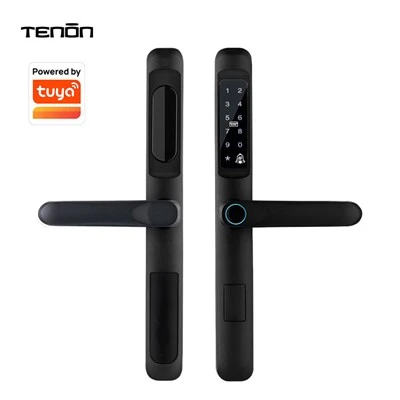
First, let’s get one thing straight: aluminium smart doors aren’t just for the outside. For a long time, people assumed aluminium is too bulky, too cold, or too industrial for interior spaces. But that’s a myth. Modern aluminium door tech has come so far—we’re not talking about the clunky, utilitarian doors your grandpa’s factory had. Our interior lines are slim, powder-coated in 20+ colors, and even have wood-grain finishes if you don’t want that “cold metal” vibe. So why would you even consider an aluminium smart door inside, instead of wood, glass, or regular interior doors? Let’s run through the practical stuff first.
Durability is a big one, especially in high-traffic areas. Think about retail back offices, co-working spaces, hospital patient wings, or apartment building common areas. Those doors get banged all day—shopping carts, backpacks, people rushing. Aluminium is way more scratch-resistant than solid wood, which scuffs so easily if a chair slides into it. And unlike hollow-core interior doors, which warp if there’s a tiny bit of moisture (hello, bathroom doors or laundry room entrances), aluminium? It doesn’t warp, it doesn’t rot, it doesn’t get stuck if the humidity spikes. We installed a set in a yoga studio last year, and between sweaty mats being dragged in and out and the steam from the infrared sauna, the old wood doors warped in 6 months. The aluminium ones? Still perfect, no issues.
Then there’s the smart functionality—this is where aluminium really shines, because the metal frame is the ideal base for tech. You don’t have to worry about wiring interfering with a flimsy frame, right? Our smart interior doors can do all the stuff people want these days: keyless entry (fingerprint, app codes, fobs), auto-close for fire codes, integration with building access systems, even sensors that alert you if a door was left open. Let’s take a co-working space example: if you have private offices, you don’t want someone tailgating into a CEO’s office. Our smart doors can lock automatically after someone swipes their fob, log entry times for security, and even sync with the space’s lighting—so when you open the door to your office, the desk lamp turns on. That’s way harder to pull off with a wood door, because you’re dealing with a heavier frame that can’t support the sensors as easily.
Wait, but what about the “cold” factor? I get it—you don’t want a door that feels like ice when you touch it in a winter hallway. Our interior doors have a 10mm thermal break insert, which acts as an insulator. That means the surface temperature is basically the same as a wood door, even if the space next to it is cold. We tested this last year—someone compared our aluminium office door to their old solid wood door in a drafty hallway, and the difference in touch temperature was negligible. So no, it won’t freeze your hand off.
But let’s talk about style, because that’s a big interior concern. A lot of people think “aluminium = modern industrial” and that’s it. But our interior doors come in powder-coated colors—soft whites, warm grays, even deep navy or muted green that fit right into a minimalist office, a modern apartment, or a boutique hotel. We also do a wood-grain finish that’s so realistic, most people can’t tell it’s aluminium unless they touch it. We sold a set to a design firm for their home office, and they paired them with light oak furniture, and no one guessed they were metal. That’s a game-changer if you want durability but don’t want your doors to look like a warehouse.
Now, let’s get real about where this works best, and where it might not. For high-traffic commercial spaces: 10/10, perfect. Co-working lobbies, retail fitting rooms, hospital supply closets, apartment building mail rooms—all of these get constant use, so the durability pays off. For residential? It’s more of a niche, but it works great for people who want a sleek, low-maintenance interior—like a master bedroom en suite, a home office that gets a lot of use, or a garage entrance that leads into the house (garages are humid, so wood doors warp, remember). Where it might not be the first pick? If you’re going for a super traditional, country-style home with heavy wood trim, a solid wood door might blend better. But even then, we’ve had customers mix them—use a wood door for the main living room, an aluminium smart door for the mudroom, and it looks intentional, not out of place.
Another big plus: noise control. A lot of people don’t realize this, but aluminium doors can be soundproofed way better than hollow interior doors. We add acoustic seals around the edges of our smart doors, so if you have a home theater, a music studio, or an office next to a busy hallway, the door will block way more noise than a regular wood door. A band we work with had us install an aluminium smart door for their rehearsal space, and they said the difference was night and day—their neighbors stopped complaining about the bass.
Wait, but what about installation? Can contractors handle aluminium interior doors, or do they need special tools? We send all our customers a quick installation guide, and honestly, most contractors who can hang a regular interior door can handle ours—they’re pre-cut, pre-drilled, so it’s just a matter of framing the opening like you would any other door. The only difference is the weight—they’re a bit heavier, so you might want a sturdier door frame, but that’s easy to adjust, even in old buildings. We’ve installed them in 100-year-old brownstones, no problem.
Now, let’s address the pushback we sometimes get. “Aluminium is too expensive for interior doors.” Yeah, at first glance, it might cost a bit more than a cheap hollow-core door. But let’s do the math: a hollow-core door might last 2-3 years in a high-traffic space, and you have to replace it. Our aluminium doors? They come with a 10-year warranty, and we’ve installed doors that are still going strong after 12 years. Plus, the smart features add value—if you’re selling a building or a home, smart doors are a big selling point. A coffee shop owner we worked with said he saved $2,000 over 5 years by not replacing his doors every year. That adds up.
Another common question: “What about custom sizes? My interior opening is weird.” We do custom sizes, no problem. Whether you have a narrow closet door, a wide double door for a conference room, or a tall door for a loft space, we can make it work. And the smart features? They’re modular, so you can add a fingerprint sensor, a keypad, or even connect it to your existing building system later—you don’t have to buy all the tech upfront.
Let’s wrap this up with a real example. Last year, we supplied doors to a small independent bookstore in downtown Austin. They needed a back entrance for deliveries, a front door, and a door to their office. The front and back were exterior, so obviously aluminium. The office door? They were using a cheap hollow-core door that scuffed every time someone carried a stack of books in. We installed an aluminium smart door with a soft white finish, a keyless entry for staff, and acoustic seals so they could hold storytime in the back office without disturbing customers. A month later, the owner emailed us saying, “That door has taken more abuse in 4 weeks than the old one took in 2 years, and it looks brand new.” That’s exactly what this is about—solving a problem, not just selling a door.
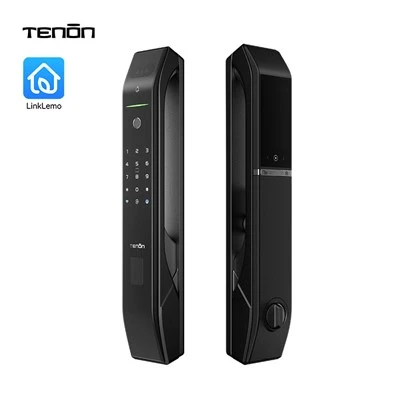
If you’re reading this and you’ve been on the fence, wondering if aluminium smart doors fit your interior space, let’s chat. I get that every space is different—what works for a retail store might not work for a home, and vice versa. Our team can send you samples, answer any questions, and even walk you through how they’d work in your space. No pressure, no fine print, just straight talk. If you’re tired of doors that warp, scuff, or break, or you want to add that smart upgrade that actually works for your daily use, reach out—we’re here to help you figure it out.
Automatic Fingerprint Lock References
- International Code Council. (2021). International Building Code: Fire Door and Access Control Requirements.
- National Institute of Building Sciences. (2022). Durability of Interior Building Materials in High-Traffic Commercial Spaces.
- Aluminium Association. (2023). Thermal Performance of Aluminium Doors with Polyamide Thermal Breaks.
- Acoustical Society of America. (2021). Sound Transmission Loss of Interior Door Systems with Edge Seals.
Guangdong Ap Tenon Sci. & Tech. Co., Ltd.
Guangdong Ap Tenon Sci. & Tech. Co., Ltd. is one of the most professional aluminium smart doors manufacturers and suppliers in China. With abundant experience, we warmly welcome you to wholesale advanced aluminium smart doors made in China here from our factory. Also, OEM service is available.
Address: No.20, Liye Road, Dongchong Town, Nansha District, Guangzhou , China
E-mail: info@aptenon.com
WebSite: https://www.tenondoorlock.com/
