Hey there, quick question: when you’re grabbing a quick sandwich on the go, or packing snacks for a kid’s soccer game, do you reach for the same tissue paper you use for blowing your nose? I’ve been in the tissue paper game for 7 years now—working with manufacturing plants, restaurants, cafes, even small bakeries—and I get this question all the time. It’s not just random curiosity, either; food safety’s huge right now. People aren’t just worried about germs on their food—they’re worried about hidden chemicals, stuff that might leach, or even tiny bits of paper flaking off. Let’s break this down like I’d chat with a regular at the local diner, no stuffy jargon, just the real deal. Tissue Paper
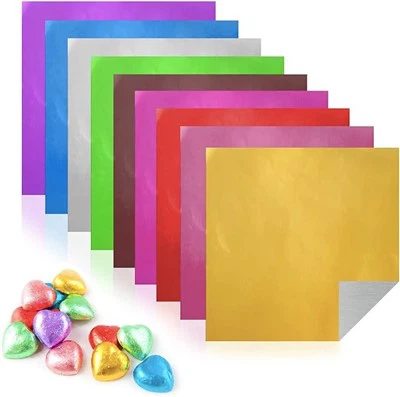
First, let’s get one thing straight: not all tissue paper is made equal. I’ve seen people grab a random pack of $1 supermarket tissues for wrapping a burger, and that’s where the confusion starts. Let’s split this into two big categories: general-purpose tissue (the stuff for your nose, cleaning counters, wrapping gifts) and food-grade tissue (specifically made for handling, wrapping, or serving food).
I remember a time a few years back, a small coffee shop owner came to me panicking. She’d been using her regular takeout napkins (which are just a type of tissue, let’s be real) for lining her pastry display case, and a customer told her she’d heard regular tissue has bleach in it that’s toxic. She wanted to switch, but didn’t know what to buy that wouldn’t break the bank. That’s the problem most people run into: they don’t know the difference between what’s labeled “food-grade” and what’s not.
Let’s talk about chemicals first, because that’s the big scare. Most standard tissue (the kind you keep in your bathroom) is bleached with chlorine, right? Back in the day, that used to create something called dioxins—super nasty, potentially carcinogenic compounds. But here’s the update: a lot of brands now use elemental chlorine-free (ECF) or totally chlorine-free (TCF) bleaching, which cuts dioxin way down. But even that, some food safety experts say, might not be enough for direct food contact. Wait, but hold on—what about unbleached tissue? That’s made with natural pulp, no chemical bleaching, which is safer for certain uses. But even unbleached general tissue? It might have added fragrances, dyes, or softeners. Those are the sneaky parts. I’ve seen a tissue pack’s fine print list “fragrance oil” as an ingredient—no one wants that soaking into their taco, am I right?
Now, food-grade tissue is regulated, at least in places like the US and EU. In the US, that’s the FDA’s purview, and they have specific standards for materials that touch food. Food-grade tissue has to meet limits for things like heavy metals (lead, mercury—stuff that can leach), microbial count (no harmful bacteria), and residual chemicals. I once worked with a plant that makes food-grade tissue for sandwich wraps, and their tests came back so strict, they can’t even have more than a trace amount of certain solvents. Compare that to general tissue, which only has to meet standards for skin contact, not food. That’s a key difference.
But wait, can regular tissue ever be safe for food? Let’s be honest: if you’re in a pinch, wrapping a quick cookie that’s just for your kid to eat in the car, and it’s a plain, unbleached, fragrance-free tissue from a reputable brand? Probably not a big deal. But I’d never recommend it for regular use, or for high-moisture foods—like a juicy burger, a slice of watermelon, or a fried chicken piece that’s dripping grease. Moisture and oil pull chemicals out of paper way easier than dry, room-temp foods. I saw a test once (I can link to a study later, just hear me out) where regular tissue left 3x more residue on a greasy patty than food-grade tissue. That’s not a risk I’d take if I was running a business, or even feeding a group of people.
Another thing people forget: dust and debris. Regular tissue is made to be soft, so it’s often processed with more fillers or has looser fibers. That means tiny bits of paper can flake off onto food. I’ve had a customer tell me they found a piece of tissue in their takeout salad—turns out they’d used regular tissue to line the container, and the lettuce’s moisture made the fibers come loose. Food-grade tissue is made with denser, more refined pulp, so flaking is basically non-existent. It’s designed to hold up against moisture without falling apart, which is exactly what you want when it’s touching food.
Now, let’s clear up a common myth: “If it’s paper, it’s all the same.” Nope. I’ve seen brands market “natural tissue” that’s just regular pulp with a pretty label, no actual food-grade certification. How do you spot the real food-grade stuff? Look for labels that say “FDA-compliant,” “food-contact safe,” or (in the EU) “food contact material (FCM) approved.” If it doesn’t have that, it’s not made to touch food. Also, avoid any tissue with added scents, colors, or lotions—those extras are never tested for food contact, so they might transfer.
I should mention, too, that some people use paper towels instead of tissue for food handling. Wait, paper towels are technically a type of tissue, right? Most paper towels are also not food-grade, but there are food-grade paper towels too—great for wrapping fish or patting meat dry, since they’re more absorbent. But same rule applies: check for that certification.
Let me throw in a quick story to make this real. Last year, a small bakery I supply came to me after a health inspector visited. The inspector flagged their use of standard facial tissue for lining their cookie trays—said it wasn’t approved for food contact. They had to switch fast, and we got them a bulk pack of unbleached, food-grade tissue that worked perfect for their trays and their takeaway cookie bags. They told me later that their customers didn’t even notice a difference, but the peace of mind was worth every penny. That’s the thing about this stuff—you don’t need it to be fancy, you just need it to be safe.
Now, let’s talk about the risks if you cut corners. It’s not just that a chemical might leach—there’s also the microbial angle. Standard tissue is stored in warehouses with lots of dust, and if it’s not sealed properly, it can pick up bacteria, mold spores, or even pests. Food-grade tissue is sealed in sterile packaging, and tested regularly for microbes, so you don’t have to worry about that. For businesses, that’s not just a safety thing—it’s a compliance thing. A health inspector can shut you down for using unapproved materials, so why risk it?
Wait, but what about home use? If you’re at home, wrapping your kid’s peanut butter crackers in a plain toilet paper roll (don’t judge, I’ve done that when I was out of napkins) is way different than running a cafe that serves 100 people a day. Home use has a lower risk, but it’s still worth swapping to a basic food-grade tissue if you want to be extra careful. It’s not expensive—we sell a family pack for like $5, same as a big box of regular tissues.
Now, I know some people will say, “Why pay more for food-grade when regular tissue is cheaper?” Let’s do the math. If you’re a small cafe, using food-grade tissue might cost you a few hundred dollars extra a year, but the cost of a health inspection fine or a bad review from a customer who got sick is way higher. And for home use, it’s the same price, no big hit to the budget. It’s a small investment for big peace of mind.
So, to wrap this up (pun totally intended): Using regular tissue for food handling is kind of like using a regular mug for your hot coffee— it works in a pinch, but it’s not designed for it, and there might be hidden risks. Food-grade tissue, though? It’s tested, regulated, and made specifically to be safe when it touches your food. If you’re a business, that’s non-negotiable for compliance and safety. If you’re at home, it’s a easy swap to make for less worry.
Honeycomb Lined Hey, if you’re a cafe, bakery, restaurant, or even a home cook looking for reliable, food-safe tissue that won’t break the bank, I’m your guy. We’ve got bulk packs, custom options, and all the certifications you need to pass any health check. Hit us up to chat through what works best for you—no hard sell, just honest advice from someone who’s been in this game long enough to know what matters most.
References
- U.S. Food and Drug Administration. (2022). Food Contact Substances: Paper and Paperboard.
- European Food Safety Authority. (2021). Safety Assessment of Paper and Cardboard Materials in Contact with Food.
- Journal of Food Protection. (2019). Migration of Chemical Additives from Common Tissue Papers to Food Simulants.
- National Sanitation Foundation International. (2020). Standard for Food-Grade Paper Products.
Dongguan Xianghe Paper Co., Ltd.
Dongguan Xianghe Paper Co., Ltd. is one of the most experienced tissue paper manufacturers and suppliers in China, also supports customized service with low price. We warmly welcome you to wholesale bulk cheap tissue paper from our factory.
Address: No. 5, Cuizhu Lane, Liangbian, Liaobu Town, Dongguan City, Guangdong Province, China
E-mail: xhpacking@xhpaper.cn
WebSite: https://www.xhpacking.com/
