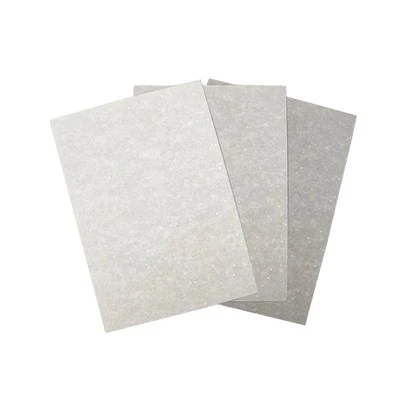
If you walk through any modern industrial complex—whether it’s a food processing plant, a warehouse storing flammable raw materials, or a manufacturing facility with heavy machinery—chances are the walls and ceilings are lined with rock wool board. As a supplier who’s worked with industrial clients for over 12 years, I’ve seen firsthand how this material can make or break a facility’s safety, energy efficiency, and compliance. But here’s the thing: rock wool isn’t a one-size-fits-all solution. Industrial buildings have unique demands that go far beyond what you might need for a residential attic or a small office. Over the years, I’ve fielded the same questions from plant managers, engineers, and contractors: What do we actually need to get right when specifying rock wool for our industrial space? Let’s break down the non-negotiable, often-overlooked requirements that separate a well-installed rock wool system from a costly mistake. Rock Wool Board

First and foremost, industrial facilities operate with far higher fire risks than most other buildings. Think about it: a chemical storage bay could have spilled solvents, a woodworking shop might have sawdust buildup, a power generation plant has exposed electrical wiring that can spark. For these spaces, rock wool’s inherent non-combustibility is its biggest draw, but not all rock wool boards meet the same fire safety standards. I’ve seen clients try to cut corners by purchasing lower-grade rock wool that only meets residential standards, only to realize it won’t pass a local fire marshal’s inspection when they’re mid-construction. The key here is specifying boards that are tested and certified for industrial fire resistance, specifically ASTM E119 (the standard for fire endurance in structural assemblies) or UL 263. For high-risk areas like boiler rooms or paint mixing zones, we also recommend boards with a minimum fire resistance rating of 2 hours, not the 1-hour rating that works for general warehouse walls. What many people don’t know is that some lower-quality rock wool can release toxic fumes when exposed to extreme heat, which is a critical hazard for workers inside the building. That’s why we only supply rock wool that’s certified to meet NFPA 701, the standard for flame resistance in building materials, ensuring even in a fire, the board won’t contribute to toxic smoke or rapid flame spread.
Next, thermal performance is non-negotiable, but industrial buildings have very different temperature control needs than, say, a retail store. Cold storage facilities, for example, operate at temperatures as low as -20°F, while a steel mill’s adjacent office might need to stay comfortable even when the plant’s exterior walls are exposed to 100°F summer heat. The R-value (thermal resistance) of the rock wool board has to be calculated specifically for the application. For cold storage walls, we typically recommend a minimum R-value of R-30 for exterior walls and R-40 for ceilings, because even a small gap in insulation can lead to condensation that damages stored goods or causes structural rust. For manufacturing facilities that run 24/7, not only is high R-value important to reduce energy bills for heating and cooling, but the board’s density matters too. Denser rock wool (usually 4 to 8 pounds per cubic foot) maintains its thermal integrity better over time than lightweight varieties. I remember one client who used thin, 2-pound rock wool in their warehouse; within a year, the insulation had settled, leaving gaps along the wall studs, and their HVAC costs jumped 18%. We switched them to 6-pound density rock wool, and those costs dropped back down within six months. Industrial environments also have more temperature fluctuation than residential spaces, so the rock wool needs to be dimensionally stable at extreme temperatures—look for boards that are tested to withstand continuous exposure to 200°F (for high-heat facilities) or -40°F (for cold storage) without shrinking or warping.
Then there’s moisture resistance, which is a huge, often underdiscussed requirement for industrial buildings. Factories dealing with food processing, pharmaceutical manufacturing, or water treatment have high levels of humidity, and even warehouses storing raw materials like grain or textiles can absorb moisture from the air. If rock wool gets wet, it loses both its fire resistance and thermal performance, and can even grow mold or mildew that poses health risks to workers. That’s why we only supply hydrophobic rock wool boards for industrial applications—these are treated with a water-repellent coating that repels liquid water while still allowing water vapor to pass through (breathability is key, because trapped vapor between the wall and insulation can cause more damage). I once worked with a craft brewery that used standard rock wool in their fermentation hall; after a few months of high humidity, the insulation absorbed so much moisture that it sagged off the walls, and mold growth forced them to shut down half the facility for cleanup. Swapping to hydrophobic rock wool solved that problem entirely. Another point: if the building is in a coastal area with high salt air, we also recommend rock wool with a high pH level (above 7) to prevent corrosion on metal wall studs and structural components. Standard rock wool can be slightly acidic, which can react with salt air and speed up rust—something we’ve seen cause structural damage in coastal manufacturing facilities within three years.
Acoustics are another critical requirement, especially for industrial spaces where noise from machinery, conveyor belts, or loading docks can exceed 85 decibels—levels that cause permanent hearing damage with prolonged exposure. OSHA sets strict limits on workplace noise, so adding acoustic insulation isn’t just a comfort thing, it’s a legal requirement. Rock wool is naturally an excellent acoustic insulator, but for industrial use, you need to specify the right sound absorption coefficient (SAC) and sound transmission class (STC) ratings. For areas near heavy machinery, we recommend rock wool with an SAC of 0.9 or higher, meaning it absorbs 90% of sound that hits it, instead of reflecting it. For separating office spaces from the plant floor, you need STC ratings of at least 50—standard residential rock wool usually has an STC of 35, which won’t block the loud clanging of a metal press or the whine of a packaging line. I had a client in automotive manufacturing who ignored this requirement; their plant floor noise was so loud that office workers had to wear earplugs even when they were in a separate room, which was a violation of OSHA standards. Swapping the wall insulation to a denser, acoustic-grade rock wool brought the STC up to 52, and now offices are quiet enough to hold meetings without extra protection. Another bonus: acoustic rock wool also reduces echo in large open warehouses, which is a big safety issue because it makes it hard for workers to hear fire alarms or emergency announcements.
Installation is where even the best rock wool board can fall short. Industrial buildings have larger, rougher openings than residential ones—metal studs are spaced farther apart, walls might have irregular shapes for equipment access, and there’s often a need to cut boards around pipes, vents, and electrical conduits. The special requirement here is that the boards have to be installed with minimal gaps, because even a 1/8-inch gap can reduce thermal and acoustic performance by up to 10%. We also recommend using mechanical fasteners instead of adhesive for industrial installations, because adhesive can fail in extreme temperatures or high humidity. I’ve seen contractors use spray adhesive in a food processing plant, only for the adhesive to melt after a year of exposure to steam from cooking operations, leaving insulation loose and ineffective. Mechanical fasteners, paired with metal reinforcing strips along the joints, ensure the board stays in place for the 20+ year lifespan most industrial facilities require. Also, for exterior walls, the rock wool has to be covered with a durable, vapor-permeable facer that’s resistant to UV rays—standard paper facers will break down in outdoor sunlight within a few years. We supply rock wool with a glass-mat facer for exterior use, which is UV-resistant and doesn’t degrade, even in hot, sunny climates like Texas or Florida.
One more thing: compliance with local building codes and industry-specific regulations. Different industries have unique rules that go beyond general building codes. For example, food and beverage facilities must meet FDA requirements for materials that come into contact with food, so rock wool can’t have any harmful binders that might leach into products. Pharmaceutical facilities need insulation that’s non-shedding, because loose fibers can contaminate clean rooms. Chemical storage facilities require rock wool that’s compatible with the chemicals stored nearby—some acids or solvents can break down standard rock wool, so we supply chemical-resistant rock wool for these areas, treated with a binder that repels chemical exposure. I once had a chemical plant that tried to use regular rock wool in their storage bay; within six months, the insulation had reacted with spilled hydrochloric acid, turning it brittle and ineffective. Swapping to chemical-grade rock wool not only fixed that, but also helped them pass their annual OSHA inspection for hazardous materials handling.
At the end of the day, rock wool is an incredibly versatile material, but its benefits only apply if you pick the right type for the industrial application, install it correctly, and meet the specific safety, thermal, moisture, acoustic, and regulatory requirements. As a supplier who’s walked job sites, solved problems, and partnered with industrial facilities for years, I can tell you that cutting corners here almost always leads to bigger costs down the line—whether that’s higher energy bills, safety violations, or even structural damage. If you’re planning a new industrial build or a retrofit and want to make sure your rock wool system checks all the right boxes, reach out to our team to discuss your specific needs, whether it’s fire resistance for a high-risk warehouse, moisture control for a food processing plant, or acoustic solutions for a manufacturing floor. We can provide certified products, installation guidance, and customized recommendations to ensure your facility is safe, compliant, and efficient for decades to come.
Rock Wool Pipe References
- ASTM International. (2022). Standard Test Methods for Fire Tests of Building Construction and Materials (ASTM E119). ASTM International.
- National Fire Protection Association. (2021). Standard for Flame Resistant Textiles, Films, and Coatings (NFPA 701). National Fire Protection Association.
- Occupational Safety and Health Administration. (2020). Noise Standards: Occupational Noise Exposure (29 CFR 1910.95). U.S. Department of Labor.
- International Code Council. (2023). International Building Code (Chapter 7: Fire Protection and Life Safety). International Code Council.
- Food and Drug Administration. (2022). Food Contact Substances: Rock Wool Insulation. U.S. Food and Drug Administration.
Langfang Aolesi Thermal Insulation Materials Co., Ltd.
As one of the most professional rock wool board manufacturers and suppliers in China, we also support customized service. Please feel free to buy bulk high quality rock wool board made in China here from our factory. For pricelist, contact us now.
Address: Dongwang Village, Dacheng County, Langfang City, Hebei Province
E-mail: Lfaolesibaowen@outlook.com
WebSite: https://www.lfaolesi.com/
