If you’ve ever worked with adhesives, hoses, or the stretchy black stuff on wetsuit seals, you’ve definitely crossed paths with polychloroprene rubber (CR)—aka neoprene, the workhorse of synthetic rubbers. As a CR supplier, I get so many questions from clients, new and old alike: “Why does my CR molding turn out lumpy?” “Why won’t this adhesive bond hold, even though it’s CR?” Nine times out of 10, the answer’s not the rubber itself—it’s how you cure it. Curing (sometimes called vulcanization, though for CR it’s a little different) is the step that turns that squishy, goopy uncured rubber into the durable, elastic material we all rely on. Mess that part up, and even the highest-grade CR will fall flat. Let’s break down the real, useful curing methods we use here at our shop, no stuffy lab jargon, just the stuff that actually works for manufacturers, hobbyists, and anyone working with CR. Polychloroprene Rubber

First, let’s get one thing straight: CR’s curing isn’t the same as natural rubber’s. Natural rubber needs sulfur to crosslink, right? CR has chlorine atoms along its polymer chains, so it cures a little differently—we mostly use metal oxides, not just plain sulfur. That’s the base you’ll see in every CR curing formula. The exact mix changes based on what you’re using the CR for, which is why I always ask clients first: is this for a industrial hose liner? A DIY adhesive for DIY project? A wetsuit part? Curing for each is tuned to the end use, but let’s start with the most common, go-to method we recommend for 90% of standard CR applications: conventional heat curing with metal oxide systems.
This is the classic, most widely used method, and it’s what most of our industrial clients use. The core here is mixing uncured CR (that’s called “compounded CR” once we add all the curing ingredients) with two main oxides: zinc oxide and magnesium oxide. We’re not just tossing them in, either—we use exact ratios, usually 5 parts zinc oxide to 2 parts magnesium oxide per 100 parts of CR by weight (that’s the standard phrasing in our shop, no crazy units that make people Google). Adding a tiny bit of accelerator (like thiurams or dithiocarbamates, but we just call them “speed boosters” around here) cuts down on cure time and makes the crosslinks more even.
For conventional heat curing, you use a heated mold or press, right? The temperature range is super important here—too low, and the oxides won’t activate; too high, and you’ll get scorch (that’s that brown, brittle, over-crusted stuff you don’t want). For standard CR grades, 150°C to 160°C (300°F to 320°F) is the sweet spot. Cure time depends on how thick your part is: a 1mm thin adhesive film takes 2 to 3 minutes, while a 10mm thick hose liner needs 15 to 20 minutes. Wait, you might be thinking “can’t I just use an oven instead of a press?” Sure, for thin parts or sheets, but presses give consistent pressure—around 100 to 150 psi— which keeps the part smooth and free of bubbles. I’ve had a client a few months back make a batch of small CR gaskets in a regular oven, no pressure, and they turned out porous and failed in pressure tests. Moral of the story: pressure matters here, no shortcuts.
Next up, what if you can’t use high heat? Maybe you’re bonding something that has heat-sensitive parts, like electronics housings, or you’re working on a repair in a remote spot where you don’t have a heat press or oven. That’s where room temperature curing (RTV curing) comes in, and it’s one of the most underrated methods for small-batch or low-temperature applications. Unlike conventional curing, RTV CR cures at 20°C to 25°C (68°F to 77°F), no heat needed. How does it work? We add a latent curing agent to the compound, usually something like a combination of magnesium oxide, zinc oxide, and a curing promoter that only activates when exposed to moisture in the air. That’s right—moisture is the trigger here, so humidity levels matter a lot. You need at least 40% relative humidity for this to work properly; if it’s too dry, it’ll take days to cure.
The downside of RTV? It’s slower. A thin adhesive film takes 12 to 24 hours to fully cure, and thick parts can take 3 to 5 days. But it’s perfect for things like bonding CR to plastic or metal for small consumer parts, or repairing old wetsuit neoprene—no heat required, no risk of warping delicate parts. Last year, a surfboard repair shop reached out to us because they’d been using cheap RTV neoprene that would stay tacky for weeks, and we adjusted their RTV compound to boost the curing promoter, and their repairs now hold up through storm swells and saltwater. That’s the stuff that makes us love our job.
Wait, what if you need to cure a part super fast? Like, you have a production line that needs CR parts ready in minutes, not hours. That’s where rapid high-temperature curing (also called “fast-cure CR”) comes in. This is a modified version of conventional heat curing, but we crank up the temperature a little—up to 180°C (356°F)—and use specialized fast-acting accelerators, usually based on dithiocarbamates instead of the standard thiurams. Cure time here is cut to minutes: a 5mm thick part cures in 3 to 5 minutes, instead of the 10 to 15 minutes of standard conventional curing.
But there’s a catch with rapid curing: you have to be precise with the time and temperature. Go even 10°C over, and you’ll get scorch (that brittle, crumbly stuff I mentioned earlier) or surface cracking. Go too fast, and the outer layer cures before the inner layer, trapping bubbles that make the part weak. We only recommend this for thin parts, like gaskets, thin sheets, or adhesive films—thick parts won’t cure evenly with rapid high temp. I always tell clients to test a small sample first, which is why we send free trial samples with suggested cure specs when we get a new order inquiry.
Another method that’s been gaining traction lately, especially for eco-friendly applications and custom parts, is radiation curing. That’s using UV light or electron beams (e-beams) instead of heat or moisture to cure CR compounds. Wait, hold on—CR isn’t the first rubber you think of for radiation curing, but we have specific UV-modified CR grades for this. The compounds have photoinitiators mixed in, which activate when exposed to UV light (usually in the 200 to 400 nm range). It’s super fast—thin films cure in 10 to 60 seconds—no heat, no pressure, perfect for roll-to-roll production, like making adhesive tapes or thin CR sheets for packaging.
The pros here are no thermal distortion, super consistent cure, and low energy use compared to ovens or presses. The cons? It only works for thin parts—UV light can’t penetrate more than a few millimeters, and e-beam radiation is more expensive to set up, so it’s not ideal for small batches. We’ve worked with a medical device company that uses UV-cured CR for adhesive patches that stick to skin, because heat curing would damage the sensitive drugs in the patch, and RTV would take too long for their high-volume production. That’s exactly the kind of custom solution we love bringing to our clients.
Wait, I can’t wrap this up without talking about common curing mistakes we see all the time, because even if you use the right method, messing up the details ruins the part. First, scorch—when the rubber cures too early, before you press it into the mold. That happens if you mix the curing ingredients too early and leave the compound sitting at room temp for too long, especially in warm weather. Our general rule: mix your CR compound no more than 24 hours before curing, and keep it chilled if you’re working in a hot space. Second, under-curing—when you don’t leave it in the oven/press long enough, so the crosslinks are weak. Under-cured CR will be tacky, stretch too much, and break easily. Third, over-curing—too much time or heat, leading to brittle, yellowed rubber that cracks when bent. We always include a cure schedule with every batch of CR we ship, because even small grade differences (like our CR 10 vs. CR 20) need slightly different cure times.
As a CR supplier, our whole goal isn’t just to sell rubber—it’s to make sure our clients get the right cure for their specific use case. Whether you’re a small business making wetsuit parts, a industrial manufacturer building hydraulic hoses, or a hobbyist fixing a favorite pair of work gloves, we don’t just send you a bucket of CR and hope for the best. We walk you through the best curing method, adjust the compound if you have special needs, and send free test samples so you can tweak things before you commit to a big order.
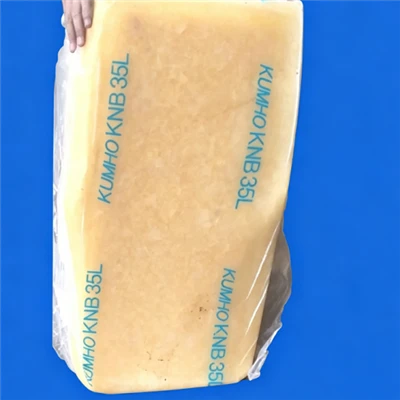
If you’re working with polychloroprene rubber and you’re tired of parts that don’t hold up, or you’re not sure which curing method is right for your project, reach out to us. We’ll answer all your questions, send you the specs you need, and help you get that durable, consistent CR product you’re after.
Functional Fillers References
- Ophir, Z. (2018). Compounding and Curing of Polychloroprene Rubber. Rubber Chemistry and Technology, 91(3), 527-548.
- Sae-Ung, A., & Wirojwong, T. (2020). Room Temperature Vulcanization of Polychloroprene Rubber for Adhesive Applications. Journal of Applied Polymer Science, 137(24), 48792.
- Lipp, M., & Schmid, H. (2021). Radiation Curing of Functional Polychloroprene Compounds for Medical Devices. Progress in Rubber, Plastics and Recycling Technology, 37(2), 112-130.
- Zhao, J., et al. (2019). Effect of Cure Temperature and Pressure on the Mechanical Properties of Polychloroprene Rubber Gaskets. Polymer Testing, 78, 105978.
Heze Great Bridge Chemical Co., Ltd.
With abundant experience, we are one of the most professional polychloroprene rubber manufacturers and suppliers in China. We warmly welcome you to buy high quality polychloroprene rubber in stock here and get pricelist from our factory. Good service and reasonable price are available.
Address: No.1679 Renmin Road,Heze City,Shandong,China
E-mail: export@greatbridge-chem.com
WebSite: https://www.greatbridgechem.com/
