As a seasoned provider in the building materials industry, I’ve witnessed firsthand the ever – evolving demands of modern construction. One crucial aspect that tops the list for many architects, builders, and DIY enthusiasts is finding materials that are both strong and lightweight. In this blog, I’ll delve into some of the remarkable building materials that meet these criteria and explain why they are excellent choices for various projects. Building Materials
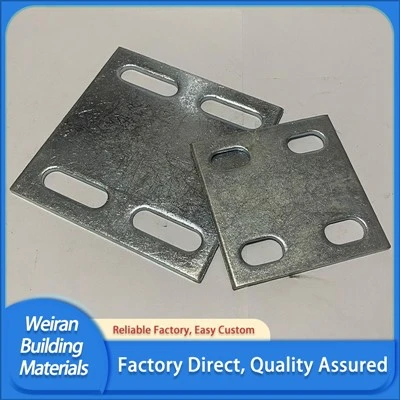
1. Structural Steel
Structural steel is a stalwart in the construction world when it comes to strength and lightness. It is an alloy primarily composed of iron and carbon, with small amounts of other elements like manganese, silicon, and sulfur.
The high strength – to – weight ratio of structural steel is one of its most significant advantages. Pound for pound, steel can withstand much greater stress than many other traditional building materials such as concrete. This allows for the construction of large – span structures, like skyscrapers and bridges, without the need for excessive support columns. For example, the Willis Tower in Chicago, one of the tallest buildings in the United States, relies heavily on a steel frame to support its massive weight.
In addition to its strength, steel is also lightweight compared to materials like stone and solid concrete. This makes it easier to transport and install on – site, reducing both time and labor costs. Steel is highly malleable, which means it can be fabricated into various shapes and sizes to meet the specific design requirements of a project. Whether it’s I – beams, channels, or tubes, steel can be customized to fit the needs of any construction job.
Moreover, steel is a sustainable choice. It is 100% recyclable, and a significant portion of new steel products are made from recycled materials. This not only reduces the environmental impact of construction but also helps in conserving natural resources.
2. Aluminium
Aluminium is another excellent building material known for its strength and lightness. It is a silvery – white metal that is abundant in the Earth’s crust. Aluminium has a density that is approximately one – third that of steel, making it extremely lightweight.
Despite its low weight, aluminium has a relatively high strength. It can be alloyed with other elements such as copper, zinc, magnesium, and silicon to enhance its strength and other properties. Aluminium alloys are commonly used in the construction of high – rise buildings, curtain walls, and window frames.
One of the key advantages of aluminium in construction is its corrosion resistance. It forms a thin, protective oxide layer on its surface when exposed to air, which prevents further corrosion. This makes it ideal for use in coastal areas or other environments where moisture and salt can cause damage to other materials.
Aluminium is also highly ductile, which means it can be easily formed into various shapes. It can be extruded, rolled, or cast, allowing for a wide range of design possibilities. Additionally, aluminium is a good conductor of heat and electricity, which can be beneficial in certain building applications, such as in the construction of solar panels or heating and cooling systems.
3. Fiberglass Reinforced Polymer (FRP)
Fiberglass Reinforced Polymer, or FRP, is a composite material made from a polymer matrix reinforced with fine glass fibers. FRP has gained popularity in the construction industry due to its outstanding strength – to – weight ratio.
The glass fibers in FRP provide high tensile strength, while the polymer matrix binds the fibers together and transfers the loads between them. This results in a material that is much stronger than traditional polymers and is comparable in strength to some metals, yet significantly lighter.
FRP is highly resistant to corrosion, chemicals, and fire. This makes it suitable for use in harsh environments, such as chemical plants, wastewater treatment facilities, and offshore structures. It is also non – magnetic and non – conductive, which can be advantageous in applications where these properties are required, such as in electrical substations or MRI rooms.
In terms of installation, FRP is relatively easy to work with. It can be cut, drilled, and molded using conventional tools, and it can be joined together using adhesives or mechanical fasteners. This flexibility in installation makes it a popular choice for retrofit projects as well as new construction.
4. Lightweight Concrete
Concrete is one of the most widely used building materials in the world, and lightweight concrete is a variant that offers a great combination of strength and lightness. Lightweight concrete is made by replacing some or all of the normal – weight aggregates (such as gravel and sand) with lightweight aggregates, such as expanded clay, shale, or perlite.
The use of lightweight aggregates reduces the density of the concrete, making it lighter than traditional concrete. Despite its lower weight, lightweight concrete can still achieve high compressive strengths, similar to those of normal – weight concrete. This makes it suitable for a variety of structural applications, including floors, walls, and columns.
Lightweight concrete also has excellent thermal insulation properties. The porous nature of the lightweight aggregates traps air, which reduces the heat transfer through the concrete. This can lead to energy savings in buildings by reducing the need for heating and cooling.
Another advantage of lightweight concrete is its workability. It is easier to place and finish than normal – weight concrete, which can reduce labor costs and construction time. It also has a lower drying shrinkage, which means it is less likely to crack over time.
5. Bamboo
Bamboo is a natural building material that has been used for centuries in many parts of the world. It is a fast – growing grass that can reach maturity in just a few years, making it a highly renewable resource.
Bamboo has an impressive strength – to – weight ratio. It has a higher tensile strength than many types of steel, which means it can withstand stretching forces well. This makes it suitable for use in structural applications, such as in the construction of bridges and buildings in seismic – prone areas.
In addition to its strength, bamboo is lightweight and easy to transport and install. It can be cut and shaped using simple tools, and it can be joined together using various methods, such as nails, screws, or traditional bamboo lashing techniques.
Bamboo is also a sustainable choice. It absorbs large amounts of carbon dioxide from the atmosphere during its growth, helping to mitigate climate change. It requires less water and pesticides compared to other building materials, making it an environmentally friendly option.
When considering which building materials to use for your project, it’s important to evaluate the specific requirements of the project, including the load – bearing capacity needed, the environmental conditions, and the budget. Each of the materials mentioned above has its own unique properties and advantages, and the right choice will depend on the specific circumstances of your construction job.
As a building materials supplier, I have access to a wide range of these strong and lightweight materials. I can provide expert advice on which material is best suited for your project, based on your needs and specifications. I also offer competitive pricing, high – quality products, and reliable delivery services.
AB Epoxy Adhesive If you’re interested in learning more about these building materials or are ready to start your next construction project, I encourage you to get in touch. Contact me to discuss your requirements, and we can start a productive conversation about how I can help you source the best materials for your job.
References
- "Structural Steel Design: A Practice – Oriented Approach", Varghese, Binoy, & Galambos, Theodore V.
- "Aluminium in Construction", De Waele, K.
- "Fiber – Reinforced Polymer (FRP) Composites for Construction: State – of – the – Art Review", Bank, Larry C.
- "Lightweight Concrete Technology and Applications", Neville, A. M.
- "Bamboo: A Sustainable and Renewable Building Material", Liese, W.
Shandong Weiran Building Materials Co., Ltd.
Shandong Weiran Building Materials Co., Ltd. is one of the most experienced building materials manufacturers and suppliers in China, also supports customized service with low price. Welcome to buy bulk high quality building materials in stock here from our factory. Contact us for quotation.
Address: No.1, Street-front Shop, Jia 19, No.137 East Xingyuan Road, Zhangdian District, Zibo City, Shandong Province, China
E-mail: qinjuan@sdwrjc.com
WebSite: https://www.sdwrjc.com/
