In the dynamic world of personal care products, ensuring product stability is of utmost importance. From lotions and creams to serums and shampoos, consumers rely on these products to maintain their quality and efficacy over time. As a leading supplier in the Personal Care Packaging industry, I’ve witnessed firsthand how the right packaging can make or break a product’s performance. In this blog, I’ll delve into the intricate relationship between the packaging of personal care products and their stability, exploring the various factors at play and sharing insights on how to select the best packaging solutions. Personal Care Packaging

The Role of Packaging in Product Stability
Packaging serves as the first line of defense for personal care products, protecting them from external factors that can compromise their stability. These factors include light, oxygen, moisture, temperature, and microbial contamination. By providing a barrier against these elements, packaging helps to preserve the integrity of the product, ensuring that it remains safe and effective for use.
One of the primary functions of packaging is to prevent light from reaching the product. Light, particularly ultraviolet (UV) light, can cause chemical reactions in personal care products, leading to degradation of active ingredients, discoloration, and changes in texture. For example, vitamin C, a popular ingredient in skincare products, is highly sensitive to light and can quickly lose its potency when exposed to UV rays. To protect against light damage, many personal care products are packaged in opaque containers or containers with UV-blocking properties.
Oxygen is another major culprit in product degradation. When exposed to oxygen, certain ingredients in personal care products can undergo oxidation, resulting in a loss of efficacy, changes in odor, and the formation of harmful byproducts. For instance, natural oils and butters in skincare products can become rancid when exposed to oxygen, leading to a unpleasant smell and reduced shelf life. To minimize oxygen exposure, packaging solutions such as airless pumps, vacuum-sealed containers, and nitrogen-flushed packaging are often used.
Moisture is also a significant factor in product stability. Excess moisture can cause microbial growth, mold, and mildew, as well as changes in the consistency and texture of the product. For example, water-based products such as lotions and creams can become contaminated with bacteria if they are not properly sealed and stored. To prevent moisture ingress, packaging materials with high barrier properties, such as plastic bottles with tight-fitting caps and aluminum tubes, are commonly used.
Temperature fluctuations can also have a detrimental effect on the stability of personal care products. Extreme heat or cold can cause ingredients to separate, change in consistency, or lose their efficacy. For example, products containing essential oils can evaporate or solidify at high or low temperatures, respectively. To protect against temperature damage, packaging materials with good insulation properties, such as foam inserts and thermal packaging, can be used.
Finally, microbial contamination is a major concern in the personal care industry. Bacteria, fungi, and other microorganisms can grow in personal care products if they are not properly formulated and packaged. To prevent microbial growth, products are often formulated with preservatives, and packaging materials are designed to be hygienic and easy to clean. For example, pump dispensers are a popular choice for liquid products because they minimize contact with the product and reduce the risk of contamination.
Types of Packaging Materials for Personal Care Products
There are several types of packaging materials commonly used in the personal care industry, each with its own advantages and disadvantages. The choice of packaging material depends on a variety of factors, including the type of product, the desired shelf life, the target market, and the budget.
Plastic is one of the most widely used packaging materials in the personal care industry due to its versatility, durability, and cost-effectiveness. Plastic bottles, jars, tubes, and containers are available in a wide range of shapes, sizes, and colors, making them suitable for a variety of products. Additionally, plastic packaging can be easily customized with labels, printing, and other branding elements. However, some consumers have concerns about the environmental impact of plastic packaging, as it takes a long time to decompose and can accumulate in landfills and oceans.
Glass is another popular packaging material for personal care products, especially for high-end and premium products. Glass is an inert material that does not react with the product, making it ideal for products that are sensitive to chemical interactions. Glass packaging also provides excellent protection against light, oxygen, and moisture, helping to preserve the product’s stability and efficacy. Additionally, glass is a recyclable material, which makes it a more environmentally friendly option. However, glass packaging is heavier and more fragile than plastic packaging, which can increase shipping costs and the risk of breakage.
Aluminum is a lightweight and durable packaging material that is commonly used for products such as deodorants, aerosols, and tubes. Aluminum provides excellent barrier properties against light, oxygen, and moisture, and it is also resistant to corrosion. Additionally, aluminum is a recyclable material, which makes it a sustainable choice for packaging. However, aluminum packaging can be more expensive than plastic packaging, and it may require special equipment for manufacturing and recycling.
Paper and cardboard are often used for secondary packaging, such as boxes, cartons, and labels. Paper and cardboard are lightweight, biodegradable, and renewable materials, which makes them a more environmentally friendly option. Additionally, paper and cardboard can be easily printed and customized with branding elements, making them a popular choice for marketing and advertising purposes. However, paper and cardboard do not provide as much protection against light, oxygen, and moisture as plastic, glass, or aluminum packaging, so they are typically used in conjunction with other packaging materials.
Design Considerations for Personal Care Packaging
In addition to the choice of packaging material, the design of the packaging also plays a crucial role in product stability. Here are some design considerations to keep in mind when selecting packaging for personal care products:
- Closure Design: The closure is an important part of the packaging, as it helps to prevent product leakage and contamination. There are several types of closures available, including screw caps, flip-top caps, pump dispensers, and droppers. The choice of closure depends on the type of product, the desired ease of use, and the level of protection required. For example, pump dispensers are a popular choice for liquid products because they provide a hygienic and convenient way to dispense the product, while screw caps are a good option for products that need to be tightly sealed.
- Container Shape and Size: The shape and size of the container can also affect product stability. Containers with a narrow neck or a small opening can help to minimize the amount of air and light that enters the product, while containers with a wide opening can make it easier to access the product. Additionally, the size of the container should be appropriate for the amount of product it is intended to hold, as overfilling or underfilling the container can affect the product’s stability.
- Labeling and Branding: The labeling and branding of the packaging can provide important information about the product, such as its ingredients, usage instructions, and expiration date. It is important to ensure that the labeling is accurate and clear, and that it complies with all relevant regulations. Additionally, the branding of the packaging can help to differentiate the product from its competitors and attract consumers.
- Sustainability: In recent years, there has been a growing demand for sustainable packaging solutions in the personal care industry. Consumers are increasingly concerned about the environmental impact of the products they purchase, and they are looking for products that are packaged in a more sustainable way. As a packaging supplier, it is important to offer sustainable packaging options, such as biodegradable, compostable, or recyclable materials.
Conclusion
In conclusion, the packaging of personal care products plays a crucial role in ensuring product stability. By providing a barrier against light, oxygen, moisture, temperature, and microbial contamination, packaging helps to preserve the integrity of the product, ensuring that it remains safe and effective for use. When selecting packaging for personal care products, it is important to consider the type of product, the desired shelf life, the target market, and the budget. Additionally, the design of the packaging, including the closure, container shape and size, labeling and branding, and sustainability, can also affect product stability.
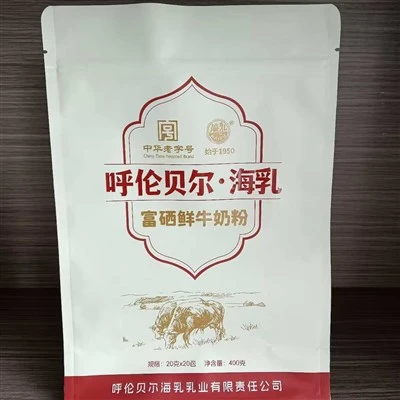
As a Personal Care Packaging supplier, I am committed to providing high-quality packaging solutions that meet the needs of my customers. I understand the importance of product stability, and I work closely with my customers to develop packaging solutions that are tailored to their specific requirements. Whether you are looking for plastic, glass, aluminum, or paper packaging, I have the expertise and resources to help you find the right solution.
Personal Care Packaging If you are interested in learning more about our Personal Care Packaging products and services, or if you would like to discuss your packaging needs with one of our experts, please feel free to contact us. We would be happy to help you find the perfect packaging solution for your personal care products.
References
- Bradley, R. H., & Decker, E. A. (2010). Oxidation in lipid-based foods and factors impacting its measurement. Comprehensive Reviews in Food Science and Food Safety, 9(5), 541-550.
- Saltini, C. (2006). Packaging materials and processes for pharmaceutical products. Drug Development and Industrial Pharmacy, 32(7), 753-763.
- Wypych, G. (2019). Handbook of polymer degradation. Wiley.
- Yam, K. L., Takhistov, P. T., & Miltz, J. (2005). Intelligent packaging: Concepts and applications. Journal of Food Science, 70(1), R1-R10.
Tongcheng Wanfang Paper & Plastic Packaging Co., Ltd.
As one of the most professional personal care packaging manufacturers and suppliers in China, we also support customized service. With abundant experience, we warmly welcome you to buy high quality personal care packaging made in China here and get pricelist from our factory. For price consultation, contact us.
Address: No.17, Area B, East China Plastics City, Xindu Town, Tongcheng City, Anhui Province, China
E-mail: wanfangpack@163.com
WebSite: https://www.wf-pack.com/
