Labeling glass makeup jars is a crucial step in the cosmetic packaging process, not only enhancing the aesthetic appeal but also providing essential product information to consumers. As a supplier of glass makeup jars, I understand the significance of proper labeling and the impact it can have on a brand’s success. In this blog post, I will share some insights and best practices on how to label glass makeup jars effectively. Glass Makeup Jars

Understanding the Purpose of Labeling
Before diving into the labeling process, it’s essential to understand the primary purposes of labeling glass makeup jars. Firstly, the label serves as a communication tool between the brand and the consumer. It conveys important information such as the product name, ingredients, usage instructions, and expiration date. This information helps consumers make informed decisions about the product and ensures their safety.
Secondly, the label is a branding element that helps to differentiate the product from competitors. A well-designed label can create a strong brand identity and attract consumers’ attention on the shelves. It also provides an opportunity to showcase the brand’s personality and values.
Choosing the Right Label Material
The choice of label material is crucial, as it can affect the overall appearance, durability, and functionality of the label. Here are some common label materials used for glass makeup jars:
- Paper Labels: Paper labels are a popular choice due to their affordability and versatility. They come in various finishes, such as matte, glossy, and textured, and can be printed with high-quality graphics and text. However, paper labels are not as durable as other materials and may be prone to peeling or fading over time.
- Vinyl Labels: Vinyl labels are more durable than paper labels and are resistant to water, oil, and chemicals. They are also available in a wide range of colors and finishes, including clear, opaque, and glitter. Vinyl labels are a good choice for products that are exposed to moisture or require a long-lasting label.
- Polyester Labels: Polyester labels are similar to vinyl labels in terms of durability and resistance to water and chemicals. They are also more heat-resistant than vinyl labels, making them suitable for products that are exposed to high temperatures. Polyester labels are often used for luxury or high-end cosmetic products.
Designing an Eye-Catching Label
The design of the label is crucial for attracting consumers’ attention and creating a strong brand identity. Here are some tips for designing an eye-catching label for glass makeup jars:
- Choose a Clear and Readable Font: The font used on the label should be easy to read, even from a distance. Avoid using fancy or decorative fonts that may be difficult to decipher.
- Use High-Quality Graphics and Images: High-quality graphics and images can enhance the visual appeal of the label and make the product more attractive to consumers. Use images that are relevant to the product and reflect the brand’s personality.
- Keep the Design Simple and Clean: A cluttered or busy label can be overwhelming for consumers and make the product less appealing. Keep the design simple and clean, and focus on the key information.
- Use Contrasting Colors: Contrasting colors can help to make the text and graphics on the label stand out. Choose colors that complement the brand’s color scheme and the product’s packaging.
Printing the Label
Once the label design is finalized, the next step is to print the label. There are several printing methods available, each with its own advantages and disadvantages. Here are some common printing methods used for glass makeup jars:
- Digital Printing: Digital printing is a popular choice for small to medium-sized print runs. It allows for high-quality, full-color printing with quick turnaround times. Digital printing is also cost-effective for short runs and can be easily customized.
- Flexographic Printing: Flexographic printing is a traditional printing method that is commonly used for large print runs. It involves using a flexible relief plate to transfer ink onto the label material. Flexographic printing is known for its high-speed production and cost-effectiveness for large quantities.
- Screen Printing: Screen printing is a versatile printing method that can be used on a variety of label materials, including glass. It involves using a mesh screen to transfer ink onto the label surface. Screen printing is known for its high-opacity ink and ability to produce bold, vibrant colors.
Applying the Label
After the label is printed, it’s time to apply it to the glass makeup jar. Here are some tips for applying the label effectively:
- Clean the Surface of the Jar: Before applying the label, make sure the surface of the jar is clean and free of dust, oil, and debris. Use a clean, dry cloth to wipe the surface of the jar.
- Position the Label Correctly: Carefully position the label on the jar, making sure it is centered and aligned correctly. Use a ruler or a template to ensure accuracy.
- Apply the Label Smoothly: Start at one end of the label and slowly apply it to the jar, smoothing out any air bubbles or wrinkles as you go. Use a squeegee or a credit card to press the label firmly onto the jar.
- Trim the Excess Label: Once the label is applied, use a sharp knife or scissors to trim any excess label material from the edges of the jar.
Ensuring Regulatory Compliance
In addition to the aesthetic and functionality aspects of labeling, it’s also important to ensure regulatory compliance. The labeling of cosmetic products is subject to various regulations and guidelines, which vary depending on the country or region. Here are some key regulatory requirements to consider:
- Ingredient Listing: The label must list all the ingredients used in the product, in descending order of predominance. This information helps consumers make informed decisions about the product and avoid any potential allergens.
- Warning Statements: The label must include any necessary warning statements, such as "For external use only," "Avoid contact with eyes," or "Keep out of reach of children." These statements ensure the safety of the consumers.
- Product Claims: Any product claims made on the label must be truthful and substantiated. This includes claims about the product’s efficacy, safety, and performance.
Conclusion
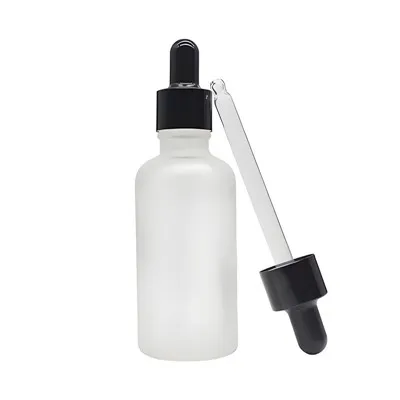
Labeling glass makeup jars is a complex process that requires careful consideration of various factors, including the purpose of labeling, the choice of label material, the design of the label, the printing method, the application process, and regulatory compliance. By following the best practices outlined in this blog post, you can create a high-quality label that enhances the aesthetic appeal of your product, provides essential information to consumers, and meets all regulatory requirements.
Airless Pump Jar If you are interested in learning more about our glass makeup jars or our labeling services, please don’t hesitate to contact us. We would be happy to discuss your specific needs and provide you with a customized solution.
References
- Cosmetic Labeling Guide, U.S. Food and Drug Administration
- Cosmetic Product and Labeling Regulations, European Union
- Best Practices for Labeling Cosmetic Products, International Association for Soaps, Detergents and Maintenance Products
Shanghai Medellin Technology Co., Ltd.
As one of the most professional glass makeup jars manufacturers and suppliers in China, we serve over 200 renowned cosmetic companies in Italy and France. Please rest assured to wholesale bulk high quality glass makeup jars from our factory. Also, custom service is available.
Address: No. 298, Lianrong Building, Linping District, Hangzhou, Zhejiang, China
E-mail: sales@toppackaging.cn
WebSite: https://www.medellin-cn.com/
