Connecting a Functional Distribution Box to a renewable energy system is a crucial step in ensuring the efficient and safe operation of the entire setup. As a supplier of Functional Distribution Boxes, I have witnessed firsthand the transformative impact these components can have on renewable energy projects. In this blog post, I will share my insights on how to connect a Functional Distribution Box to a renewable energy system, focusing on the key steps, considerations, and best practices. Functional Distribution Box

Understanding the Role of a Functional Distribution Box in a Renewable Energy System
Before delving into the connection process, it’s essential to understand the role of a Functional Distribution Box. In a renewable energy system, such as solar or wind power, the energy generated is first collected and then needs to be distributed, controlled, and protected. A Functional Distribution Box serves as the central hub for this energy management. It receives the electrical power from the renewable energy sources, distributes it to different loads or storage systems, and provides essential protection features such as over – current, over – voltage, and short – circuit protection.
Step 1: Planning and Design
The first and most critical step in connecting a Functional Distribution Box to a renewable energy system is planning and design. This involves several key aspects:
System Capacity Assessment
Determine the total power output of your renewable energy system. For a solar system, this means calculating the total wattage of all the solar panels. For a wind system, it involves knowing the rated power of the wind turbine. This information is crucial as it helps you select a Functional Distribution Box with an appropriate current and voltage rating.
Load Analysis
Identify all the electrical loads that will be connected to the distribution box. This includes appliances, batteries, and any other electrical devices in the system. Group the loads based on their power requirements and usage patterns. This analysis will help in determining the number and size of circuit breakers or fuses needed in the distribution box.
Location Selection
Choose an appropriate location for the distribution box. It should be easily accessible for maintenance and monitoring, away from direct sunlight and extreme weather conditions. If possible, position it close to the renewable energy source and the loads to minimize cable length and reduce power losses.
Step 2: Selecting the Right Functional Distribution Box
Based on the planning and design phase, you need to select a suitable Functional Distribution Box. Consider the following factors:
Rating and Capacity
The distribution box should have a voltage and current rating that can handle the maximum power output of your renewable energy system. Make sure it has enough circuit breaker slots to accommodate all your loads.
Protection Features
Look for features such as over – current, over – voltage, and short – circuit protection. Some advanced distribution boxes also offer surge protection, which is essential for safeguarding your equipment from sudden voltage spikes.
Compatibility
Ensure that the distribution box is compatible with the type of renewable energy system you have. For example, a solar – specific distribution box may have features optimized for DC power handling.
Step 3: Preparing the Installation Site
Once you have selected the distribution box, it’s time to prepare the installation site.
Mounting the Box
Use appropriate mounting hardware to securely attach the distribution box to a wall or a suitable support structure. Make sure it is level and firmly fixed to prevent any movement during operation.
Cable Management
Plan the routing of cables from the renewable energy source to the distribution box and from the distribution box to the loads. Use cable trays or conduits to organize the cables and protect them from damage.
Step 4: Connecting the Renewable Energy Source
The next step is to connect the renewable energy source to the distribution box.
DC Connection (for Solar Systems)
If you are working with a solar system, the solar panels generate DC power. Connect the positive and negative terminals of the solar panel strings to the corresponding DC input terminals of the distribution box. Use appropriate DC cables with the correct gauge to handle the current.
AC Connection (for Wind Systems)
For wind systems, the wind turbine typically generates AC power. Connect the output of the wind turbine’s generator to the AC input terminals of the distribution box using suitable AC cables.
Step 5: Connecting the Loads
After connecting the renewable energy source, it’s time to connect the loads to the distribution box.
Circuit Breaker Installation
Install the appropriate circuit breakers or fuses in the distribution box for each load. The rating of the circuit breaker should match the power requirements of the load.
Cable Connection
Connect the cables from the loads to the output terminals of the circuit breakers in the distribution box. Make sure the connections are tight and secure to prevent any loose connections that could lead to overheating or electrical faults.
Step 6: Grounding
Grounding is a critical safety measure in any electrical system, including renewable energy systems.
System Grounding
Connect the grounding terminal of the distribution box to a proper grounding electrode, such as a ground rod. This helps to protect the system from electrical surges and provides a safe path for fault currents.
Equipment Grounding
Ensure that all metal parts of the distribution box and connected equipment are properly grounded. This includes the enclosure of the distribution box and any metal – cased electrical devices.
Step 7: Testing and Commissioning
Once the installation is complete, it’s time to test the system.
Visual Inspection
Conduct a thorough visual inspection of all the connections to ensure they are tight, properly dressed, and free from any signs of damage.
Electrical Testing
Use a multimeter to check the voltage and current at various points in the system, including the input and output of the distribution box. Make sure the values are within the expected range.
Functional Testing
Turn on the renewable energy source and gradually connect the loads one by one. Monitor the system to ensure that the distribution box is functioning properly, and all the protection features are working as intended.
Considerations and Best Practices
- Safety First: Always follow all safety procedures when working with electrical systems. Wear appropriate personal protective equipment (PPE) and ensure that the system is de – energized before making any connections.
- Documentation: Keep detailed records of the installation, including cable lengths, circuit breaker ratings, and test results. This documentation will be useful for future maintenance and troubleshooting.
- Regular Maintenance: Schedule regular maintenance checks of the distribution box and the entire renewable energy system to ensure optimal performance and safety.
Conclusion
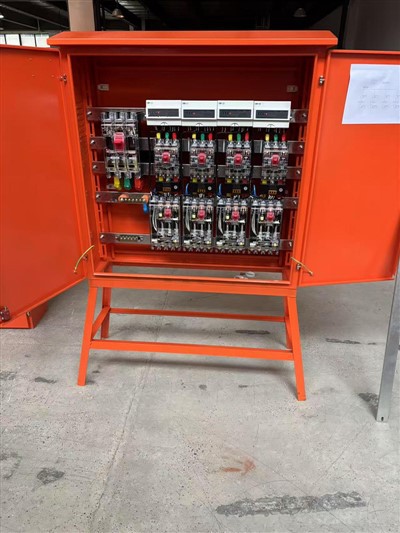
Connecting a Functional Distribution Box to a renewable energy system is a complex but rewarding process. By following the steps outlined in this blog post and considering the best practices, you can ensure that your renewable energy system operates efficiently and safely. As a supplier of Functional Distribution Boxes, I am committed to providing high – quality products and technical support to help you achieve your renewable energy goals. If you are interested in purchasing our Functional Distribution Boxes or need further assistance with your renewable energy project, feel free to reach out to us for a detailed discussion. We look forward to working with you to build a sustainable energy future.
Distribution Chamber References
- "Renewable Energy Systems: Design and Analysis with Inductive Explanation" by Soteris A. Kalogirou
- "Electrical Installation Handbook" by Schneider Electric
Anhui Nanxian Electric Co., Ltd.
With abundant experience, we are one of the most professional functional distribution box manufacturers and suppliers in China. We warmly welcome you to buy advanced functional distribution box for sale here and get quotation from our factory. All customized products are with high quality and low price.
Address: Factory Unit 03-2, Building 21, Feidong Yinfeng Industrial Park Co., Ltd., Northeast Corner of Manquan Road and Changle Road, Hefei Circular Economy Demonstration Park, Feidong County, Hefei City, Anhui Province.
E-mail: 541580567@qq.com
WebSite: https://www.nxelepower.com/
