In the realm of commercial grain processing, the grinding gap in a commercial grain mill stands as a critical factor that significantly influences the entire production process and the final product quality. As a seasoned supplier of commercial grain mills, I’ve witnessed firsthand the far – reaching impacts of the grinding gap on various aspects of grain milling operations. Commercial Grain Mill
Impact on Product Quality
The most immediate and noticeable impact of the grinding gap is on the quality of the milled grain products. When the grinding gap is set too wide, the grains are not ground finely enough. This results in a coarse texture of the flour or meal produced. For instance, in the production of wheat flour, a wide grinding gap may leave large particles of bran and endosperm unbroken. The flour will have a gritty feel, and its baking performance will be compromised. Baked goods made from such coarse flour may not rise properly, have a denser texture, and a less appealing appearance.
Conversely, if the grinding gap is set too narrow, the grains are over – ground. This can generate excessive heat during the grinding process. The heat can damage the nutritional value of the grains, especially sensitive nutrients like vitamins and enzymes. For example, in the case of rice milling, over – grinding due to a narrow gap can lead to the removal of the bran layer, which is rich in dietary fiber, vitamins, and minerals. The resulting white rice has a lower nutritional content compared to properly milled brown rice. In addition, over – ground flour may absorb more water during the baking process, causing the dough to become sticky and difficult to handle, and the final products may have a dry and crumbly texture.
Influence on Grinding Efficiency
The grinding gap also has a profound effect on the efficiency of the commercial grain mill. A well – adjusted grinding gap can optimize the throughput of the mill. When the gap is set at an appropriate width, the grains can pass through the grinding mechanism smoothly. The mill can process a larger quantity of grains within a given time frame, leading to increased productivity. For example, in a medium – sized commercial grain mill used for corn milling, an optimal grinding gap allows the corn kernels to be cracked and ground efficiently, reducing the processing time and increasing the overall output.
On the other hand, an improper grinding gap can significantly reduce the grinding efficiency. If the gap is too wide, the grains may not be engaged effectively by the grinding surfaces, resulting in incomplete grinding and the need for multiple passes through the mill. This not only wastes energy but also slows down the production process. A narrow gap, meanwhile, can cause blockages in the mill as the grains struggle to pass through the restricted space. This can lead to motor overloading, increased wear and tear on the grinding components, and frequent breakdowns of the mill, all of which disrupt the production flow and increase maintenance costs.
Effects on Energy Consumption
Energy consumption is a major concern for commercial grain mill operators, and the grinding gap plays a crucial role in this regard. An appropriate grinding gap allows the mill to operate at an optimal energy level. When the grains are ground with the right amount of force, the motor of the mill does not need to work as hard. This reduces the energy consumption per unit of processed grains, which in turn lowers the operating costs for the mill owner.
However, an incorrect grinding gap can cause a significant increase in energy consumption. With a wide gap, the mill has to process the grains multiple times to achieve the desired fineness, which means the motor runs for longer periods. With a narrow gap, the increased resistance faced by the grains passing through the mill requires the motor to generate more power. This extra power consumption not only adds to the operating costs but also puts additional stress on the electrical system of the mill, increasing the risk of electrical failures.
Impact on Equipment Lifespan
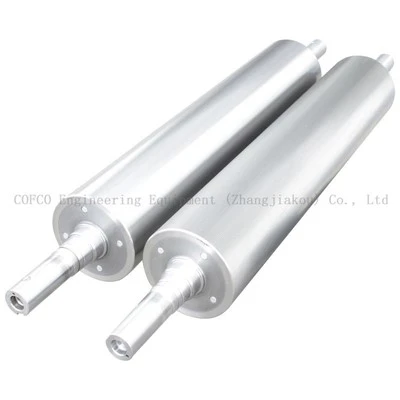
The grinding gap is closely related to the lifespan of the commercial grain mill equipment. When the grinding gap is set correctly, the grinding components, such as the grinding stones or rollers, experience less stress and wear. The grains pass through the mill in a controlled manner, and the forces acting on the grinding surfaces are evenly distributed. This reduces the risk of premature wear and tear on the components and extends their service life.
An improper grinding gap, on the contrary, can cause excessive wear on the equipment. A wide gap may allow large grains or debris to pass through, which can cause scratches and dents on the grinding surfaces. A narrow gap subjects the grinding components to high pressure and friction, which can lead to rapid wear and eventually damage the components. replacing worn – out grinding components is not only costly but also results in significant downtime for the mill, which affects the overall production schedule.
Considerations for Different Types of Grains
Different types of grains have different physical properties, and the optimal grinding gap needs to be adjusted accordingly. For example, soft grains like oats require a relatively wider grinding gap compared to hard grains like barley. Oats are more fragile, and a narrow grinding gap may crush them too much, leading to a loss of their characteristic texture. Barley, on the other hand, is harder and requires a narrower gap to achieve the desired fineness.
Moreover, grains with different moisture contents also need different grinding gaps. Grains with higher moisture content are softer and more pliable. A wider grinding gap may be sufficient for grinding them. Dry grains, however, are harder and may need a narrower gap to be ground effectively. As a supplier, we always provide guidance to our customers on how to adjust the grinding gap based on the type of grains and their moisture content they are processing.
Adjusting the Grinding Gap: Best Practices
Adjusting the grinding gap is a skill that requires careful attention and experience. First, it is essential to start with a clean and well – maintained mill. Any debris or particles left in the grinding mechanism can affect the accuracy of the gap adjustment. Second, it is advisable to make small adjustments at a time. Large and sudden changes in the grinding gap can lead to unexpected results and may even damage the equipment.
It is also important to test the milled products regularly during the adjustment process. Analyze the fineness, texture, and quality of the flour or meal being produced. This can help determine whether the grinding gap needs further adjustment. Additionally, keeping a record of the grinding gap settings for different types of grains and production requirements can be very useful for future reference.
Conclusion
The grinding gap in a commercial grain mill has a multi – faceted impact on product quality, grinding efficiency, energy consumption, and equipment lifespan. As a supplier of commercial grain mills, we are committed to providing our customers with high – quality mills that allow for precise and easy adjustment of the grinding gap. We also offer comprehensive training and support to help our customers understand the importance of the grinding gap and how to adjust it correctly for different grains and production needs.
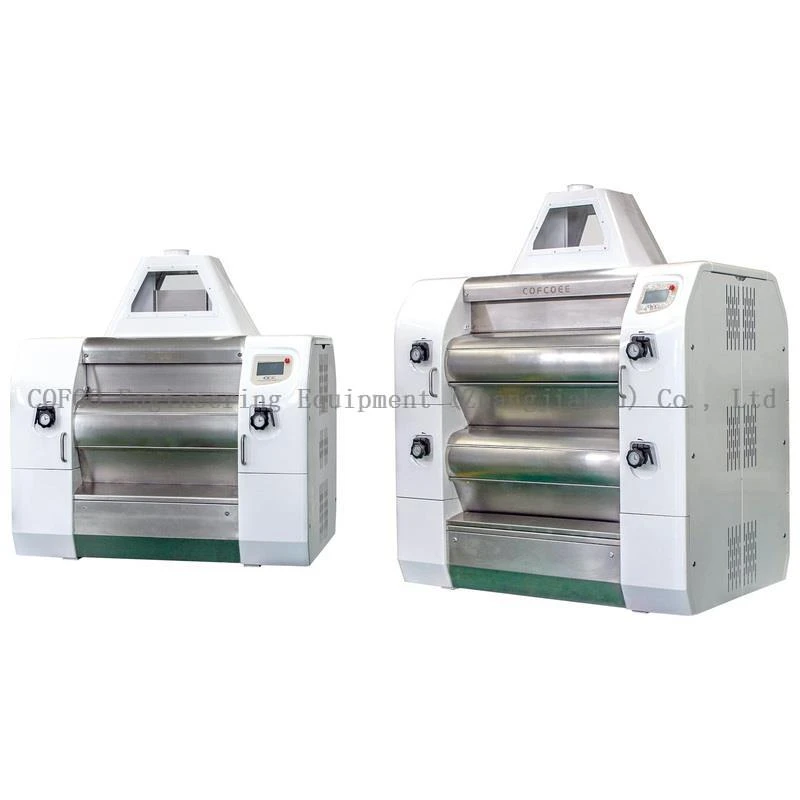
If you are in the market for a commercial grain mill or looking to improve your current grinding operations, we invite you to get in touch with us. Our team of experts is ready to discuss your specific requirements, provide detailed information about our products, and assist you in finding the best solutions for your business. Let’s work together to optimize your grain milling process and achieve the highest level of productivity and product quality.
Flour Mill Service Equipment References
- "Handbook of Grain Processing". This comprehensive book provides in – depth knowledge about various aspects of grain processing, including the principles of grinding and the importance of the grinding gap.
- "Journal of Cereal Science". Articles in this journal often cover research on the impact of different grinding parameters on grain product quality and processing efficiency.
COFCO Engineering Equipment (Zhangjiakou) Co., Ltd.
As one of the most professional commercial grain mill manufacturers and suppliers in China, we also support customized service. Please feel free to wholesale advanced commercial grain mill for sale here from our factory. Quality products and reasonable price are available.
Address: No.4 ZhongLiang Street, high-tech industrial development zone, Zhangjiakou, Hebei, PRC
E-mail: mayihui@cofco.com
WebSite: https://www.ceeflourmill.com/
