Hey there! I’m an anticorrosive tape supplier, and I often get asked how our tapes hold up under vibration or movement. Well, let’s dive right in and talk about it. Anticorrosive Tape
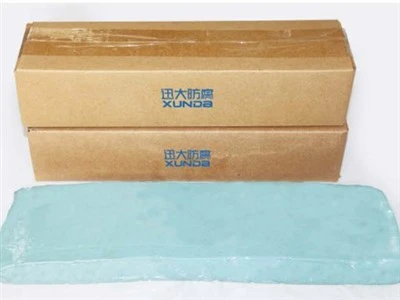
First off, you gotta understand what anticorrosive tape is all about. It’s basically a tape that’s designed to protect surfaces from corrosion. Whether it’s pipes, metal structures, or even some machinery parts, our tape acts as a barrier between the metal and the elements that can cause rust and other forms of corrosion.
Now, when it comes to vibration or movement, these are common challenges in many real – world applications. For example, in the oil and gas industry, pipes are often subject to vibrations from the flow of fluids inside them, as well as external factors like nearby equipment. In the automotive industry, parts are constantly moving and vibrating. So, how does our anticorrosive tape perform in these situations?
Adhesion under Vibration
One of the key factors is adhesion. Our anticorrosive tape is engineered with a strong adhesive. When we first apply the tape to a surface, it forms a tight bond. In a static environment, this bond is pretty straightforward to maintain. But under vibration, things get a bit more complicated.
The adhesive in our tape is formulated to be flexible. This flexibility allows it to move with the surface it’s attached to, instead of cracking or peeling off when there’s vibration. You see, if the tape was too rigid, the constant movements could cause it to break away from the surface. But our tape flexes, and the adhesive molecules stay in contact with the metal surface.
Let me give you an example. We had a client who was using our tape on some industrial fans. These fans had a lot of vibration during operation. Initially, they were skeptical about how the tape would perform. But after a few months of continuous use, when they checked the tape, they were pleasantly surprised. The tape was still firmly attached to the fan blades, and there was no sign of corrosion on the blades. The adhesive had done its job, holding the tape in place and protecting the metal from the surrounding air and moisture.
Resistance to Abrasion
Vibration and movement can also lead to abrasion. As the tape moves along with the surface, it might rub against other objects or parts of the structure. Our anticorrosive tape is resistant to abrasion.
The outer layer of the tape is made from a tough material. It can withstand a certain amount of rubbing and scratching without getting damaged. This is really important because if the tape gets abraded, it could expose the metal surface to corrosion.
Take a look at pipelines again. Pipes are often installed in areas where they might come into contact with rocks or other rough surfaces during their service life. The vibration from the fluid flow inside the pipes can cause the tape to rub against these external objects. But our tape’s abrasion – resistant properties ensure that it keeps protecting the pipe, even in such harsh conditions.
Long – term Durability
When it comes to vibration or movement, long – term durability is crucial. We all know that short – term protection is important, but in most applications, we need the tape to perform well over an extended period.
Our anticorrosive tape is tested rigorously to ensure long – term durability. We simulate different levels of vibration and movement in our testing facilities. We expose the tape to these conditions for weeks, even months, to see how it fares.
The results have been great. The tape doesn’t degrade quickly under vibration. The adhesive doesn’t lose its strength, and the protective layer doesn’t break down. This means that once you apply our tape to a surface, you can expect it to provide reliable corrosion protection for a long time, even if there’s constant movement or vibration.
Installation Considerations for Vibration Prone Areas
Now, proper installation is also key when the tape will be exposed to vibration or movement. When installing the tape, it’s important to make sure that the surface is clean and dry. Any dirt or moisture on the surface can reduce the adhesive’s effectiveness, which might lead to the tape coming loose under vibration.
We also recommend using the right amount of tension when wrapping the tape. Too much tension can make the tape too tight, and it might crack under vibration. Too little tension, and the tape won’t be snug enough on the surface, leaving gaps that can allow corrosion to start.
For example, if you’re wrapping a flexible hose that vibrates a lot, you need to be extra careful with the installation. Start by cleaning the hose thoroughly. Then, apply the tape evenly, keeping a consistent tension. Make sure the edges of the tape overlap properly to create a continuous protective layer.
Case Studies
Let’s talk about a couple more case studies. A shipbuilding company came to us with a problem. They were having issues with corrosion on the metal parts of the ship’s engines. These parts were subject to a lot of vibration due to the engine’s operation.
We recommended our anticorrosive tape and provided them with detailed installation instructions. After installing the tape, they noticed a significant reduction in corrosion. The tape was able to withstand the vibration and keep the metal parts protected. Even after several months of the ship being at sea, the tape was still in good condition, and there was no new corrosion on the engine parts.
Another case was a construction project. They were using steel beams in a building that was located near a busy road. The traffic on the road caused vibrations in the ground, which were transferred to the steel beams. Our tape was used to protect these beams. The project managers were worried that the vibrations would cause the tape to malfunction. But after the building was completed and operational for a while, they found that the tape had held up well. There was no sign of corrosion on the steel beams, and the tape was as good as new.
Customer Feedback
We’ve received a lot of positive feedback from our customers regarding the performance of our anticorrosive tape under vibration. Many customers have mentioned that they were initially hesitant to use the tape in applications with high vibration or movement. But after giving it a try, they were impressed with its performance.
Some customers have even said that our tape has saved them a lot of money in maintenance costs. Since the tape provides long – term corrosion protection, they don’t have to replace or repair the metal parts as often.
In conclusion, our anticorrosive tape performs really well under vibration or movement. Its strong adhesion, abrasion resistance, and long – term durability make it a great choice for a wide range of applications. Whether you’re in the oil and gas, automotive, shipbuilding, or construction industry, our tape can help you protect your metal surfaces from corrosion.

If you’re interested in learning more about our anticorrosive tape or want to discuss a specific application, don’t hesitate to reach out. We’re always happy to help you find the right solution for your needs. Let’s talk and see how we can work together to keep your metal structures corrosion – free!
Pipeline Anti-corrosion Materials References
- Industry reports on corrosion protection in vibrating environments
- In – house test results of our anticorrosive tape under vibration and movement
- Customer testimonials and case studies
Jining Xunda Pipe Coating Materials Co., Ltd.
Jining Xunda Pipe Coating Materials Co., Ltd. is one of the most professional anticorrosive tape manufacturers and suppliers in China, featured by quality products and good price. Welcome to buy discount anticorrosive tape in stock here and get pricelist from our factory. Also, customized service and five years warranty are available.
Address: Jibei High-tech Industrial Park, Jining City
E-mail: sales.guo@xundatape.com
WebSite: https://www.xundapipetape.com/
